Intended for healthcare professionals

Abstract

The increasing integration of Artificial Intelligence (AI) in the medical domain signifies a transformative era in healthcare, with promises of improved diagnostics, treatment, and patient outcomes. However, this rapid technological progress brings a concomitant surge in ethical challenges permeating medical education. This paper explores the crucial role of medical educators in adapting to these changes, ensuring that ethical education remains a central and adaptable component of medical curricula. Medical educators must evolve alongside AI’s advancements, becoming stewards of ethical consciousness in an era where algorithms and data-driven decision-making play pivotal roles in patient care. The traditional paradigm of medical education, rooted in foundational ethical principles, must adapt to incorporate the complex ethical considerations introduced by AI. This pedagogical approach fosters dynamic engagement, cultivating a profound ethical awareness among students. It empowers them to critically assess the ethical implications of AI applications in healthcare, including issues related to data privacy, informed consent, algorithmic biases, and technology-mediated patient care. Moreover, the interdisciplinary nature of AI’s ethical challenges necessitates collaboration with fields such as computer science, data ethics, law, and social sciences to provide a holistic understanding of the ethical landscape.
What do we already know about this topic?
We know that AI is increasingly integrated into medical education and healthcare, offering transformative potential while introducing ethical challenges, especially concerning patient autonomy.
How does your research contribute to the field?
The research emphasizes the importance of adapting medical education to address AI-related ethical challenges, promote interdisciplinary collaboration, and prepare well-rounded healthcare professionals who excel both clinically and ethically.
What are your research’s implications toward theory, practice, or policy?
The implications include the need for updating medical curricula to incorporate AI-related ethics, fostering interdisciplinary collaboration, and recommending policies to ensure that healthcare professionals maintain ethical standards in an AI-driven healthcare environment.

Introduction

In the field of medical education, innovative technologies and teaching methods have been constantly evolving, with Artificial Intelligence (AI) being considered a technology with revolutionary potential. AI has emerged as a transformative force in various domains, and medical education is no exception.1
AI, Machine Learning (ML), and Deep Learning (DL) are integral to a continuum of technologies designed to enhance and simulate human cognitive functions. AI encompasses the broader discipline aimed at creating systems capable of tasks typically requiring human intelligence, such as visual perception, language understanding, decision-making, and problem-solving.2 Machine learning, a vital subset of AI, equips systems with the ability to autonomously learn and improve from experience without being explicitly programed. This branch of AI focuses on developing computer programs that can process and learn from data, enabling machines to make decisions with minimal human intervention. The effectiveness of machine learning is evident in its ability to adapt and improve over time, a fundamental aspect for progressing AI applications.3 Deep learning, which is a specialized form of machine learning, involves neural networks with multiple layers, mimicking the human brain’s structure and function. This technology excels in interpreting large and complex datasets, which is essential for tasks such as speech recognition, natural language processing, and image recognition. Deep learning has significantly advanced the capabilities of autonomous systems, including self-driving cars and sophisticated AI in healthcare diagnostics.4,5 These technologies have increasingly been applied across various sectors. In healthcare, for example, enhancing diagnostic accuracy and enabling personalized medicine. In diagnostic imaging, deep learning helps detect diseases from medical images more accurately, assisting radiologists in identifying subtle anomalies that might otherwise go unnoticed.6 Meanwhile, machine learning facilitates personalized treatment plans by analyzing genetic data and other personal health information, which is particularly beneficial in oncology for predicting treatment responses.7 In addition, the COVID-19 pandemic significantly boosted the use of AI in healthcare. During the crisis, AI technologies were crucial for tracking infection rates, predicting hotspots, and managing healthcare resources efficiently. They also helped in diagnosing COVID-19 quickly through advanced imaging and data analysis. Additionally, AI played a key role in speeding up the development and distribution of vaccines by analyzing large amounts of research data quickly.5,7
The integration of AI in medical education has the potential to revolutionize how healthcare professionals are trained and how they practice medicine. The application of AI in medical education is rapidly expanding. It can be used for simulating patient cases, assisting in diagnosis, medical data analysis, and more.8,9 This issue becomes increasingly urgent due to the emergence of AI systems, which are discussed here as a specific illustration of healthcare’s digital transformation.
However, the widespread use of AI in medical education also brings about a range of ethical challenges, particularly those related to patient autonomy. For example, when AI systems provide diagnostic recommendations, medical students may face the dilemma of whether to rely entirely on AI recommendations or to consider the patient’s preferences and unique circumstances.10 Therefore, educators need to teach students how to balance technological recommendations with patient autonomy when using AI tools. This rapid advancement of AI in medical education comes with its own set of challenges and concerns that need to be addressed. Integrating AI into medical education presents exciting possibilities but also raises concerns, particularly regarding ethics, data quality, standardization, and the need for effective human-AI interaction.11 The preservation of patient autonomy in the face of advancing AI technologies is crucial, as it directly influences individuals’ ability to make informed decisions about their healthcare.12 These AI systems are linked to a profound shift in the teaching paradigm. While 20th-century medical education models depended on the progression of experimental findings into established standards that subsequently guided textbook instruction, this traditional sequence no longer applies in today’s context.13 This article will continue to explore this issue and delve into the importance of patient autonomy in medical education and how AI interacts with it.

Materials and Methods

Search Strategy and Inclusion

This comprehensive review explores the intersection of patient autonomy, medical education, and the ethical challenges arising from the increasing integration of AI. We conducted independent searches in key indexed databases, including PubMed/Medline, Scopus, and EMBASE. Our searches had no time restrictions but were limited to articles published in English to ensure consistency.

Databases Search Protocol and Keywords

Our search protocol involved a careful selection of keywords and phrases to address the review’s objectives comprehensively. We employed various combinations of keywords, such as “Patient Autonomy,” “Medical Education,” “Artificial Intelligence,” “Machine Intelligence,” “Machine Learning,” “Cognitive Computing,” “Deep Learning,” “Neural Networks,” “Natural Language Processing (NLP),”“Ethical Challenges,” “Data Privacy,” “Ethical Decision-Making,” “E-Healthcare,” and “Interdisciplinary Collaboration.” These diverse terms were chosen to capture the multifaceted nature of the review.

Keywords Co-occurrence Analysis

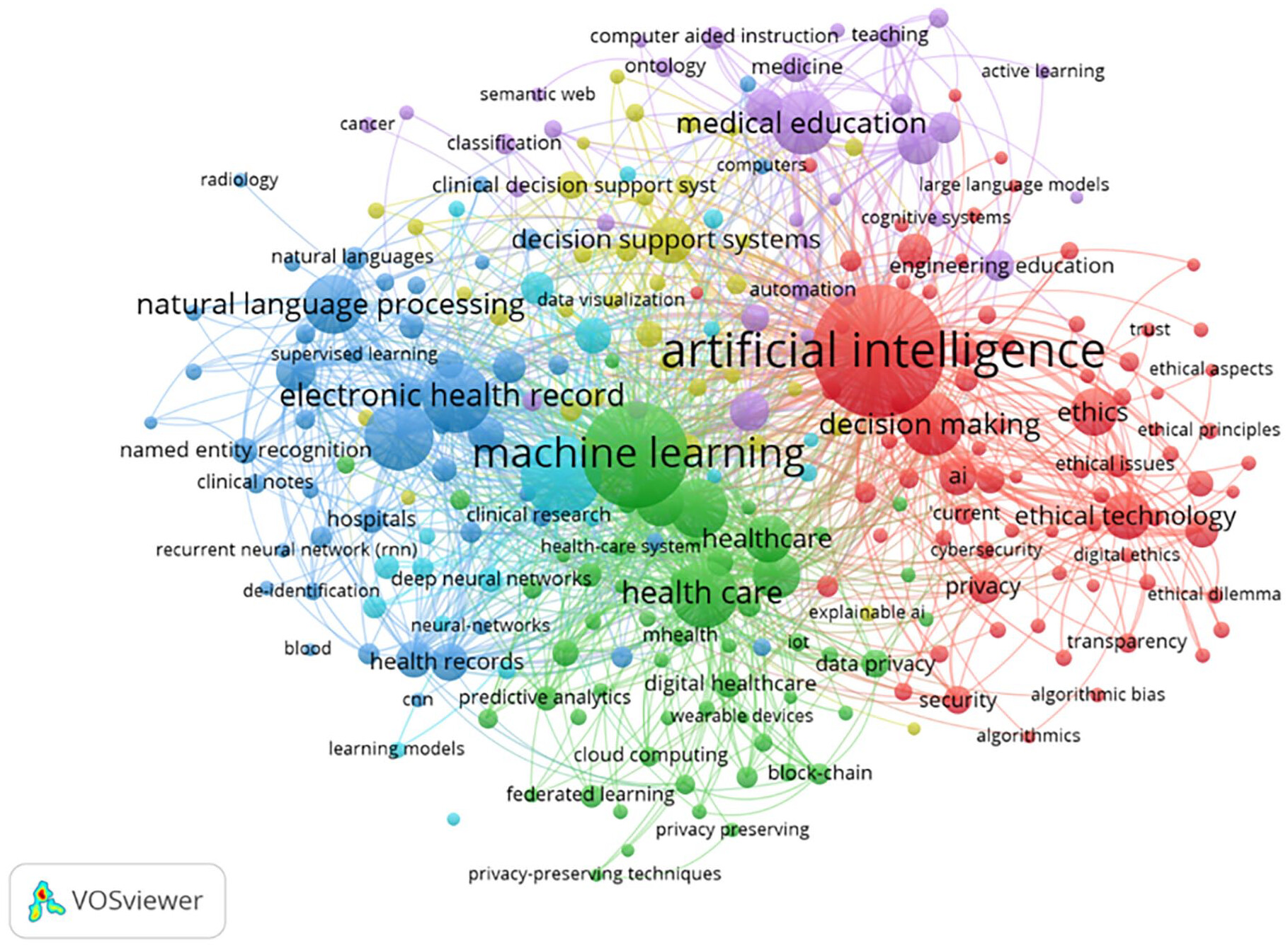
For this study, we utilized VOSviewer version 1.6.12 to perform a keyword co-occurrence analysis, which helped to clarify the relationships between keywords within the broader scope of research fields. The Scopus database served as our primary resource for gathering publications that pertain to AI, medical education, and healthcare.14 Our article used title, abstract and keywords to search and collect data, based on the following query (“artificial intelligence” OR “ AI” OR “ Machine Intelligence” OR “ Machine Learning” OR “ deep learning” OR “ neural network” OR “AI algorithms”) AND ( “medical education” OR “ medical student” OR “ electronic Data Privacy” OR “ Ethical Decision-Making” OR “ Patient Autonomy” OR “ Ethical Challenges” OR “ Interdisciplinary Collaboration” OR “digital healthcare” OR “healthcare decisions” OR “medical data protection” OR “HIPAA” OR “electronic health records” OR “Health Information Technology”). Data collection was carried out in April 2024, covering literature from 1977 through 2024, and was restricted to English-language articles without other limitations. We chose the Scopus database due to its extensive coverage, encompassing all journals indexed by PubMed, and providing complete bibliographic information not typically available in other databases. The visual representation in our analysis is organized into a map where each node, marked by a circle, indicates a keyword. The size of each circle reflects the frequency of the keyword’s occurrence, while the color denotes its cluster group, and the thickness of the lines between nodes illustrates the strength of the association between keywords. The analysis identified 4 main clusters: red, green, blue, and purple, each representing different thematic focuses (Figure 1). The red cluster includes AI-related keywords, the green cluster focuses on machine learning and healthcare, the blue cluster on natural language processing and electronic health records, and the purple cluster on medical education. The layout of the map underscores the significant co-occurrence and thematic overlap among these keywords, based on an analysis of 2756 research articles.
Figure 1. Keywords co-occurrence network visualization, including 4 main clusters presented as artificial intelligence, machine learning, medical education, and electronic health record.

Data Extraction

We meticulously screened titles and abstracts during the initial selection process, identifying articles aligned with the review’s scope and objectives. Any discrepancies or concerns about the literature or methodology were systematically addressed among our author team to ensure consistency and rigor in the review process.

The Importance of Patient Autonomy

Patient autonomy has always been considered one of the core principles of medical ethics. It emphasizes the patient’s right to make decisions about their own medical care, including treatment choices, medical procedures, and control over personal health information.15-19 In medical education, nurturing students to respect and support patient autonomy is crucial. This not only helps build trust between patients and healthcare professionals but also enhances the quality of medical decision-making and patient satisfaction.20,21 By incorporating patient autonomy into the core of medical education, students can better understand that their role is not only to provide medical care but also to establish effective communication and collaboration with patients. This communication includes not only conveying medical information but also listening to patients’ concerns and needs.22 When students can respect patients’ decisions and work with them to develop a medical plan, patients are more likely to actively participate in the treatment process. Furthermore, respecting and supporting patient autonomy can also improve the quality of medical decision-making. Because patients have a better understanding of their own needs and preferences, healthcare professionals can develop personalized treatment plans based on the patient’s unique situation.23 This collaborative approach helps reduce unnecessary interventions and improves the effectiveness of medical care. In the age of AI in healthcare, where algorithms and data-driven technologies play a significant role in medical decision-making, safeguarding patient autonomy becomes even more critical.24 Patients should have the autonomy to decide whether they are comfortable with AI assisting in their diagnosis, treatment recommendations, or personal health data management.25 Respecting patient autonomy in these contexts ensures that the integration of AI into healthcare is patient-centered and ethically sound. It also means that medical education must adapt to prepare future healthcare professionals to navigate this complex landscape while upholding patient autonomy as a fundamental ethical principle.

Ethical Challenges Faced

In medical education, AI brings forth a myriad of complex ethical challenges that demand comprehensive attention. Among these intricate issues, one of the foremost concerns pertains to data privacy and security, a paramount aspect in the age of digitized healthcare.26,27 Medical students embarking on their educational journey must be well-versed in understanding how AI systems handle, process, and store patients’ highly sensitive personal medical data. This understanding extends to the critical importance of safeguarding patient information from unauthorized access, misuse, or breaches.28 Consequently, nurturing a profound sense of responsibility and adherence to stringent data privacy protocols becomes an indispensable part of their medical education. Furthermore, the ethical landscape of AI introduces another layer of complexity through the potential presence of data biases within algorithms.29 As AI algorithms rely on historical data, they may inadvertently perpetuate biases or inequalities that exist in the real-world data they are trained on. In the context of healthcare, this bias could result in unequal medical outcomes, which is not only ethically problematic but also detrimental to patient care.29,30
Therefore, medical education programs must equip students with the knowledge and tools to critically assess AI systems for biases and disparities. Students need to learn how to identify, mitigate, and rectify these biases to ensure that medical decisions guided by AI remain fair, impartial, and non-discriminatory.30 This entails not only technical skills but also a deep understanding of the societal implications of biased AI algorithms in healthcare. Moreover, AI ethics should be an integral part of the curriculum, focusing on the ethical considerations unique to AI applications in medicine.31,32 This includes discussions on the responsible development and deployment of AI in healthcare, the need for transparency in AI algorithms, and the importance of informed consent when AI is involved in patient care.32,33 In essence, the incorporation of AI into medical education necessitates a comprehensive and multidimensional approach. It’s not just about teaching students how to use AI as a tool but also about instilling in them a profound sense of ethical responsibility, data stewardship, and the ability to navigate the intricate ethical landscapes that arise in the age of healthcare AI. By addressing these multifaceted challenges, medical education can prepare future healthcare professionals to harness the potential of AI while upholding the highest standards of ethics and patient care.

Cultivating Ethical Decision-Making Skills in Students
A fundamental and enduring objective of medical education is the nurturing of ethical decision-making skills among students. At its core, this encompasses not only imparting a profound comprehension of ethical principles but also fostering the ability to judiciously navigate intricate ethical quandaries that routinely arise in the practice of medicine.34 It’s within this educational context that ethical considerations surrounding AI present a uniquely opportune and imperative pedagogical terrain.
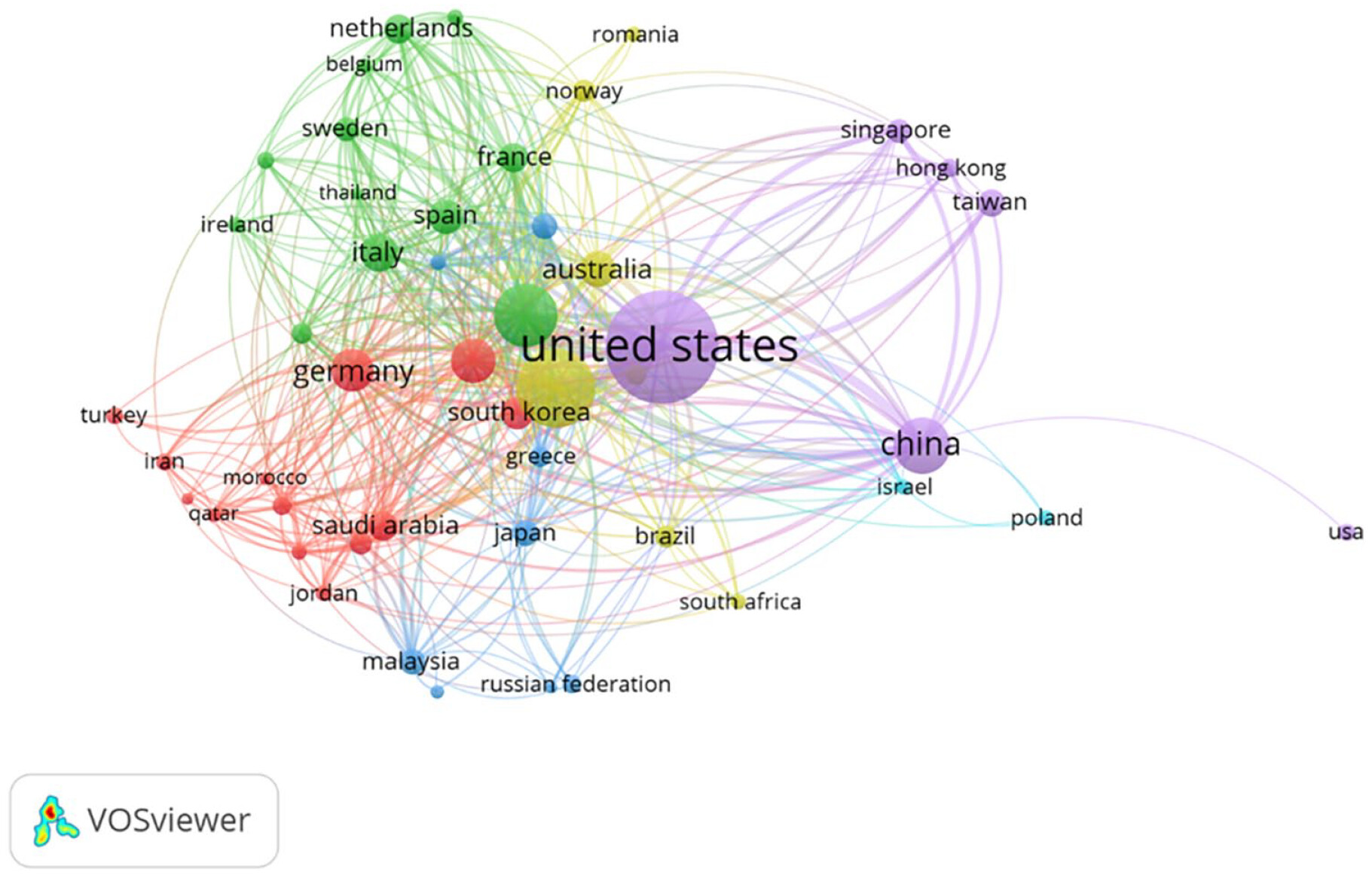
In the realm of medical ethics, the integration of AI introduces a dynamic landscape that demands careful exploration and deep reflection.35,36 Educators recognize the profound ethical dimensions of AI applications in healthcare and appreciate the importance of equipping future healthcare professionals with the wisdom and acumen to make ethically sound decisions. To this end, medical education programs are increasingly emphasizing the incorporation of AI ethics as a core component of the curriculum (Figure 2). AI ethics modules are designed to facilitate nuanced discussions and ethical case analyzes, enabling students to delve into the multifaceted ethical considerations inherent in the use of AI in healthcare.12,31 Through these educational initiatives, students are encouraged to engage in critical reflection on how AI can be harnessed to optimize patient care while upholding the principle of patient autonomy. Ethical case discussions often revolve around scenarios where AI is intricately entwined, whether it’s in diagnostic decision support, treatment recommendations, or data-driven prognostic models.27 Students are prompted to ponder questions such as: How can AI be ethically employed to enhance patient autonomy rather than diminish it? What safeguards should be in place to ensure that patients remain central in the decision-making process, even when AI is involved? How can the advantages of AI, such as its capacity to process vast amounts of medical data, be maximized while respecting the individual values and preferences of patients? Moreover, these discussions transcend the theoretical realm and encompass real-world considerations. Students grapple with the practical challenges of informed consent in an AI-driven healthcare landscape, the potential biases embedded in AI algorithms, and the imperative of transparency in AI decision-making.27,37 By immersing students in these ethical dialogs and case analyses, medical education endeavors to accomplish multiple objectives. It not only enhances students’ ethical literacy but also cultivates their ability to think critically and make ethically defensible decisions in the face of complex, technology-driven healthcare scenarios. It underscores the indispensable role of empathy, compassion, and patient-centered care, even in an era increasingly defined by the integration of cutting-edge AI.
Figure 2. The coauthorship network of countries that contributed to AI and medical education research, through applying AI in the medical education.

Data Protection Laws in Medical Education
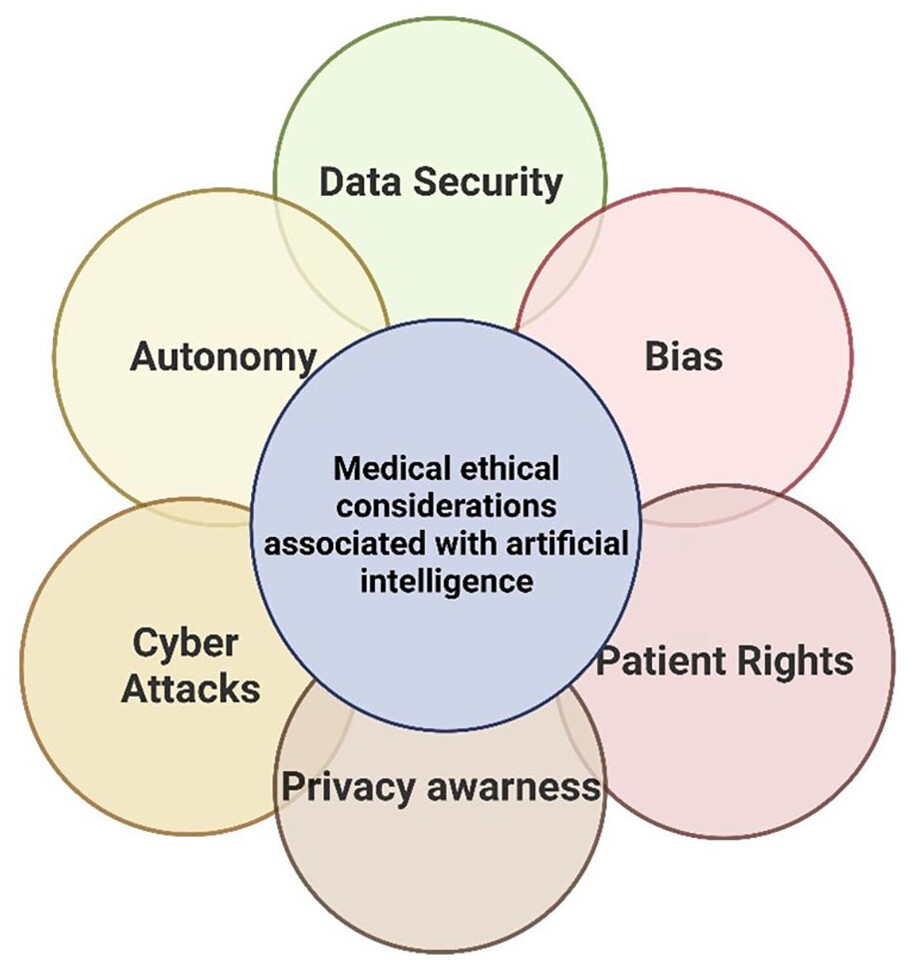
In safeguarding patient privacy, robust data protection laws are crucial. These laws aim to ensure that individuals’ sensitive medical information is not misused or accessed without authorization. For instance, regulations such as the Health Insurance Portability and Accountability Act (HIPAA) in the United States and the General Data Protection Regulation (GDPR) in Europe provide essential legal protections for patients38,39 (Figure 3). Although these laws may vary in scope and provisions, they collectively emphasize the respect and protection of medical data privacy. HIPAA emphasizes data protection within the U.S. healthcare system, requiring healthcare providers and related entities to take measures to safeguard patients’ personal medical information.40,41 In contrast, GDPR promotes broader data privacy protection within Europe, applicable not only to the healthcare sector but also to various data processing activities. The implementation of these regulations helps ensure that patients’ personal data is not misused, builds trust between patients and the healthcare system, and safeguards their privacy rights.42,43 The Genetic Information Nondiscrimination Act (GINA), enacted by Congress in May 2008, represents a significant milestone in healthcare legislation. GINA established comprehensive legal standards governing the collection, utilization, and disclosure of genetic information.44 While its primary focus is on genetic data, GINA played a pivotal role in advancing the landscape of health information privacy laws. It placed the healthcare industry in the spotlight, particularly through provisions such as the Health Information Technology for Clinical Health Act (HITECH), marking a crucial step forward in ensuring the protection of patients’ genetic information and other health-related data (Table 1).45
Figure 3. General ethical consideration related to AI in the medical field.
Table 1. Simplified Overview of HIPAA and GDPR and Their Key Aspects.
AspectHIPAA (United States)GDPR (Europe)
PurposeProtects the privacy of personal health information and provides rights to patients.Ensures the protection of personal data and empowers individuals’ data rights
ScopeApplies to healthcare providers, health plans, and healthcare clearinghouses.Applies broadly to any organization processing personal data.
Patient Rights- Right to access and request their medical records.
- Right to request corrections to inaccurate health information.
- Right to privacy and control over disclosure of health information.
- Right to access and obtain a copy of their personal data.
- Right to rectify inaccurate data.
- Right to erasure (right to be forgotten).
- Right to data portability.
Data Protection Officer (DPO)Not mandated, but some covered entities appoint a Privacy Officer.
Mandatory for certain organizations.
Data Breach NotificationRequires covered entities to notify affected individuals and the HHS within 60 days of a breach.Requires organizations to report data breaches to the appropriate data protection authority within 72 h.
Penalties for Non-ComplianceCivil penalties, ranging from fines from $100 to $50 000 per violation, with an annual maximum of $1.5 million.Fines of up to 4% of global annual turnover or €20 million, whichever is higher, for severe violations.
International ApplicabilityApplies primarily within the United States but has implications for global healthcare organizations.Applies to organizations outside the EU that process EU residents’ data.
The HITECH is another key component of healthcare legislation. This act was prominently featured within the broader context of GINA. HITECH introduced substantial changes aimed at promoting the adoption of electronic health records (EHRs) and enhancing the security and privacy of patients’ health information.46,47 It provided incentives for healthcare providers to implement EHR systems while reinforcing measures to safeguard the confidentiality and integrity of patient data. HITECH’s provisions played a vital role in modernizing healthcare practices and ensuring the secure management of electronic health information.38,48 However, a significant reason for the potential compromise of patient data, disruption of critical healthcare operations, and threats to patient safety related to the use of AI is the increasing incidence of cyberattacks. Predictive algorithms can be employed to detect and prevent these cyber threats. These algorithms can identify potential security vulnerabilities and take preventive measures, protecting the privacy and integrity of patient data. Therefore, an in-depth examination of healthcare system cybersecurity and the landscape of cyber risks is essential.49,50 This not only helps ensure the security of patients’ personal data but also maintains the proper functioning of healthcare systems. Moreover, implementing multiple robust AI algorithms can mitigate the risks associated with relying on a single solution.51 This multi-layered security approach helps safeguard healthcare systems from threats like cyberattacks and data breaches, ultimately enhancing the privacy of patient data and the reliability of the healthcare system. Regarding ethical considerations, the proposal of an epistemological framework prioritizes ethical awareness, transparency, and accountability when evaluating the impact of digital technology on participants in the healthcare supply chain. This implies a need for deeper reflection on how digital technology affects healthcare professionals, patients, and other stakeholders, ensuring that ethical principles are upheld in healthcare practices. This includes respecting patient data privacy and ensuring that the use of digital technology does not threaten patients’ autonomy and decision-making rights (Figure 3).52,53
Therefore, in the era of AI and big data, medical education must emphasize ethical education to better prepare healthcare professionals to address these ethical challenges while ensuring the protection of patients’ rights and privacy. This requires interdisciplinary collaboration to gain a better understanding of and effectively address the ethical challenges posed by AI, leading to continuous improvement and optimization of the healthcare system. In this rapidly evolving field, ongoing efforts are necessary to ensure that the healthcare system remains highly innovative while protecting patients’ rights and privacy. This way, we can achieve sustainable development in the healthcare sector, providing better medical services and a safer healthcare environment for patients (Table 2).5
Table 2. Recent Laws and Regulations Implemented by Different Countries to Protect the Data of Patients.
CountryLaw/RegulationPurpose
Australia
AI Safety Framework54Establishes standards and principles for safe and effective AI applications in healthcare
Therapeutic Goods (Medical Devices) Regulations 200255Supports clinical decision-making with software
Brazil
Brazilian Artificial Intelligence Bill No.21/202056Develops and implements AI across various sectors in Brazil
Lei Geral de Proteção de Dados (LGPD) (General Personal Data Protection Law)57Aligns with GDPR standards to address comprehensive data protection needs
Canada
Consumer Privacy Protection Act (CPPA)58Modernizes the framework for protecting personal data in the digital age
Digital Charter Implementation Act, (Bill C-27) 202259Protects personal information and health records, ensuring AI does not cause substantial direct harm to patients
China
Announcement by the State Council on the Release of the New Generation Artificial Intelligence Development Plan, State Council Document No. 35, 201760Establishes comprehensive national regulations covering all aspects of AI, enhancing oversight and risk management
Cybersecurity Law of China61Maintains the sovereignty of cyberspace and protects national security
European Union
Regulation by the European Parliament and the Council establishing unified regulations on AI Act and modifying certain legislative acts of the Union62Enables and fosters innovation in AI while developing trustworthy AI applications
In Vitro Diagnostic Medical Devices Regulation (IVDR)63Protects the well-being of patients and users, ensuring the quality and safety of in vitro medical devices
Medical Devices Regulations 2017/745(MDR)64Ensures the safety of patients using medical devices and secures the data generated through these devices
General Data Protection Regulation (GDPR)65Enhances and unifies data protection for all individuals within the EU
Civil Law Rules on Robotics66Implements AI robotics
GermanyPatient Data Protection Act (PDPA)67Protects personal and sensitive patient data, promoting digital health records
IndiaPersonal Data Protection Bill68Protects personal data and establishes a Data Protection Authority
JapanAct on the Protection of Personal Information (APPI)69Regulates personal data protection with tighter controls on data transfers
Kingdom of Saudi ArabiaMedical Device/SFDA MDS-G23 software70Utilizes AI and Big Data in medical software to analyze and forecast patient health conditions
Singapore
Personal Data Protection Act (PDPA)71Enhances the protection of personal data and addresses management and security obligations
Qualification of Clinical Decision Support Software (CDSS) and Standalone Medical Mobile Applications(SaMD)72Design software to assist healthcare providers in clinical decisions
South KoreaPersonal Information Protection Act (PIPA)73Strengthens the use and protection of personal information
Medical Devices Act No. 15945, 11 December 201874Categorizes software as a medical device used in healthcare settings
United Arab EmiratesAI in the Healthcare Sector of the Emirate of Abu Dhabi, Policy/AI/0.9, Version 0.975Monitors, analyzes, and observes public health within the healthcare system
United KingdomMedical Devices Regulation (Specific to AI) and Data Protection Act (DPA)76Integrates AI as a subcategory under software medical devices, providing guidelines for safety and performance
USA
HIPAA updates77Improves privacy protections and healthcare data interoperability under HIPAA
Part 2 Final Rule (42 CFR Part 2)78Enhances protections for substance use disorder patient records
Health IT Interoperability and Algorithm Transparency79Ensures transparency in AI algorithms in healthcare IT, improving safety and effectiveness assessments

Adherence to Treatment With the Help of AI and Machine Learning

Recent advancements in AI and ML have shown promising potential in improving adherence to treatment protocols, a critical aspect of patient care and health outcomes. The integration of ML techniques has facilitated more personalized, adaptive interventions that can predict and address factors influencing patient adherence. One notable study by Bohlmann et al80 reviewed various ML approaches used to predict medication adherence, emphasizing the ability of these technologies to tailor interventions based on individual patient data. Furthermore, Ekpezu et al81 conducted a systematic review that identified key predictors of adherence using machine learning, showcasing how digital health interventions could be optimized for better patient engagement. Additionally, Kanyongo and Ezugwu82 highlighted the use of deep learning, a subset of ML, in predicting medication compliance among patients with non-communicable diseases. Their work demonstrates the effectiveness of AI in parsing complex datasets to forecast adherence behaviors. Babel et al83 discussed the implementation of AI-powered tools such as mobile applications and reminder systems that not only support medication adherence but also empower patients by providing personalized health information and feedback. This approach fosters a more engaging and responsive healthcare environment, which is crucial for long-term treatment success. Furthermore, Zakeri et al84 focused on cardiovascular diseases, employing predictive models to assess and enhance medication adherence. Their study underscores the potential of machine learning to refine the prediction of adherence patterns, thereby facilitating targeted interventions that can significantly improve patient health outcomes. In addition, Koesmahargyo et al85 examined the accuracy of machine learning-based predictions in clinical settings, demonstrating that algorithms can effectively use dosing data to forecast non-adherence. This capability allows healthcare providers to proactively manage and address adherence issues, thus reducing the risk of treatment failures. In the context of non-communicable diseases (NCDs), a significant focus has been placed on utilizing AI to handle the complexities associated with long-term medication regimes. For example, Julius et al86 proposed a machine learning framework designed to predict patient non-adherence to medication using non-clinical data. This approach emphasizes the potential of AI to consider a wide array of factors beyond clinical indicators, such as socio-economic and behavioral patterns, which can significantly influence adherence. Moreover, the study by Wang et al87 on Crohn’s disease showcases how machine learning models can predict treatment adherence specifically in the context of maintenance therapy. Their research indicates that predictive analytics can effectively identify patients at risk of non-adherence, enabling timely and personalized interventions tailored to the needs of individual patients. Additionally, the work by Marvin and Alam88 on osteoporosis treatment adherence used machine learning models to predict therapeutic adherence, highlighting the success of these models in accurately forecasting patient behaviors. This not only assists in improving patient outcomes but also helps in the optimization of resource allocation within healthcare systems, ensuring that interventions are directed where they are most needed. A study by Burgess-Hull et al89 explored the application of machine learning in predicting treatment adherence among patients on medication for opioid use disorder. Their study exemplifies the application of sophisticated algorithms to predict behaviors in complex conditions characterized by high non-adherence rates. By employing models like logistic regression, the research illustrates how ML can enhance predictive accuracy and offer actionable insights to clinicians for better management of treatment protocols. Additionally, the use of AI in monitoring and enhancing adherence is not just limited to medication but also extends to lifestyle modifications and chronic disease management.90 The integration of IoT devices and machine learning creates a dynamic system where real-time data from wearable devices can be analyzed to provide immediate feedback and adjustments to treatment plans. This real-time monitoring capability signifies a leap toward more responsive and adaptive healthcare systems that not only track adherence but also preemptively modify interventions to suit individual patient needs and responses.

Future Outlook

The ever-expanding applications of AI within the medical domain herald a transformative era in healthcare. However, this inexorable march of technological progress also begets a concomitant surge in ethical challenges that reverberate through the corridors of medical education. It becomes increasingly apparent that the realm of medical ethics must evolve in synchrony with the rapid advancements in AI.91
Educators shoulder the profound responsibility of not only keeping abreast of these technological developments but also ensuring that ethical education remains a paramount and adaptive component of medical curricula. In this unfolding narrative, medical educators emerge as the stewards of ethical consciousness in an era where algorithms and data-driven decision-making are poised to play pivotal roles in patient care.24 The traditional paradigm of medical education, rooted in foundational ethical principles, must adapt to encompass the intricate ethical considerations that AI introduces. To fulfill this mandate, educators must embark on a journey of perpetual learning and evolution. They must remain vigilant, continuously updating the ethical content woven into the fabric of medical education. It’s an imperative response to the ever-emerging ethical quandaries born from AI’s expanding purview. This proactive stance ensures that medical students are not only well-versed in classical medical ethics but also adept at navigating the evolving ethical landscapes shaped by AI.92
The pedagogical approach here is one of dynamic engagement. It involves the cultivation of a deep ethical consciousness among students, empowering them with the ability to interrogate and critically assess the ethical implications of AI applications in healthcare.92 This involves probing questions about data privacy, informed consent, algorithmic biases, and the ramifications of technology-mediated patient care. Moreover, the trajectory of AI in healthcare mandates an interdisciplinary approach to ethical education. The multifaceted challenges presented by AI are not confined to the realm of medicine alone.93 They intersect with domains as diverse as computer science, data ethics, law, and social sciences. Consequently, fostering interdisciplinary collaboration becomes an essential pedagogical imperative.
Medical education should forge partnerships with these allied disciplines to glean insights and perspectives that are vital for comprehensively understanding and addressing the ethical dimensions of AI.94 Interdisciplinary collaboration enriches the educational experience, exposing students to diverse viewpoints and enabling them to develop a holistic understanding of the ethical landscape in which they will practice.
In essence, as AI’s footprint in healthcare continues to expand, medical education stands as the vanguard of ethical preparedness. It must equip future healthcare professionals not only with the knowledge and skills to harness AI for the betterment of patient care but also with the ethical acumen to uphold patient autonomy, justice, and beneficence in an era where machines are increasingly entrusted with critical healthcare decisions.95 In this transformative journey, educators serve as the architects of ethical resilience, fortifying the foundations of medical ethics and imbuing students with the wisdom to navigate the evolving contours of AI-infused healthcare with unwavering commitment to ethical principles.

Study Limitations

Only articles published in English were included in the review. This language restriction might have excluded valuable insights and findings from non-English publications, thereby limiting the global perspective on the ethical implications of AI in medical education. The ethical challenges and considerations related to AI integration in medical education may vary significantly across different cultural and legal contexts. The study primarily reflects the ethical standards and issues pertinent to the regions covered by the reviewed literature, which may not be universally applicable. While the study emphasizes the need for interdisciplinary collaboration, it may not fully explore the practical challenges and barriers to implementing such collaboration in medical education. This could affect the feasibility and effectiveness of the proposed solutions. Furthermore, the findings and recommendations of this study are based on a comprehensive literature review. However, they may not be directly applicable to all medical education programs, especially those in under-resourced settings where the integration of advanced AI technologies might be limited.

Conclusion

The rapid integration of AI into medical education heralds a new era of healthcare training, one that promises enhanced diagnostic accuracy, personalized treatment plans, and advanced patient simulations. However, this technological progress brings with it significant ethical challenges that must be addressed to maintain patient autonomy. Medical educators have a critical role in ensuring that ethical principles are embedded within AI-driven curricula. By fostering interdisciplinary collaboration and continuously evolving ethical guidelines, educators can prepare future healthcare professionals to navigate the complex landscape of AI in healthcare. Ultimately, the goal is to cultivate clinicians who are not only proficient in leveraging AI technologies but also deeply committed to upholding ethical standards and patient-centered care. This balance is essential for the ethical advancement of AI in medicine, ensuring that technological innovations enhance rather than compromise the quality and integrity of patient care.

Acknowledgments

Not applicable.

Ethical Approval and Consent to Participate

Not applicable.

Consent for Publication

Not applicable.

Declaration of Conflicting Interests

The author(s) declared no potential conflicts of interest with respect to the research, authorship, and/or publication of this article.

Funding

The author(s) received no financial support for the research, authorship, and/or publication of this article.

ORCID iDs

Sohaib Hasan Abdullah Ezzi https://orcid.org/0000-0002-6080-6239

Footnote

List of abbreviation Artificial Intelligence (AI), Health Insurance Portability and Accountability Act (HIPAA), General Data Protection Regulation (GDPR), Genetic Information Nondiscrimination Act (GINA), Health Information Technology for Clinical Health Act (HITECH), electronic health records (EHRs).

Data availability statement

The dataset supporting the conclusions of this article is included in this article.

References

1. Bajwa J, Munir U, Nori A, Williams B. Artificial intelligence in healthcare: transforming the practice of medicine. Futur Heal J. 2021;8(2):e188-e194.
2. Tapeh ATG, Naser MZ. Artificial intelligence, machine learning, and deep learning in structural engineering: a scientometrics review of trends and best practices. Arch Comput Methods Eng. 2023;30(1):115-159.
3. Yazdani-Asrami M. Artificial intelligence, machine learning, deep learning, and big data techniques for the advancements of superconducting technology: a road to smarter and intelligent superconductivity. Supercond Sci Tech. 2023;36(8):084001.
4. Soori M, Arezoo B, Dastres R. Artificial intelligence, machine learning and deep learning in advanced robotics, a review. Cogn Robot. 2023;3:54-70.
5. Mahalakshmi V, Balobaid A, Kanisha B, Sasirekha R, Ramkumar Raja M. Artificial intelligence: a next-level approach in confronting the COVID-19 pandemic. Healthcare. 2023;11(6):854.
6. Balyen L, Peto T. Promising artificial intelligence-machine learning-deep learning algorithms in ophthalmology. Asia Pac J Ophthalmol. 2019;8(3):264-272.
7. Kumar S. Abstract PO-056: importance of artificial intelligence, machine learning deep learning in the field of medicine on the future role of the physician. Clin Cancer Res. 2021;27(5_Supplement):056.
8. Mir M, Mir G, Raina N, et al. Application of artificial intelligence in medical education: current scenario and future perspectives. J Adv Med Educ Prof. 2023;11(3):133-140.
9. Zhou H, Bai Q, Hu X, et al. Deep CTS: a deep neural network for identification MRI of carpal tunnel syndrome. J Digit Imaging. 2022;35(6):1433-1444.
10. Zhang J, Zhang ZM. Ethics and governance of trustworthy medical artificial intelligence. BMC Med Inform Decis Mak. 2023;23(1):7.
11. Rampton V, Mittelman M, Goldhahn J. Implications of artificial intelligence for medical education. Lancet Digit Heal. 2020;2(3):e111-e112.
12. Farhud DD, Zokaei S. Ethical issues of artificial intelligence in medicine and healthcare. Iran J Public Health. 2021;50(11):i-v.
13. Ahuja AS. The impact of artificial intelligence in medicine on the future role of the physician. PeerJ. 2019;7:e7702.
14. Shaikh AK, Alhashmi SM, Khalique N, Khedr AM, Raahemifar K, Bukhari S. Bibliometric analysis on the adoption of artificial intelligence applications in the e-health sector. Digit Health. 2023;9:20552076221149296. doi: 10.1177/20552076221149296
15. Entwistle VA, Carter SM, Cribb A, McCaffery K. Supporting patient autonomy: the importance of clinician-patient relationships. J Gen Intern Med. 2010;25(7):741-745.
16. Lepping P, Raveesh BN. Overvaluing autonomous decision-making. Br J Psychiatry. 2014;204(1):1-2.
17. Mattei J. Respecter l’autonomie de la personne soignée [Respecting the patient's autonomy]. Soins. 2018;63(824):25-27.
18. Hu X, Liu Z, Zhou H, Fang J, Lu H. Deep HT: a deep neural network for diagnose on MR images of tumors of the hand. PLoS One. 2020;15(8):e0237606.
19. Zhou H, Yu X, Alhaskawi A, et al. A deep learning approach for medical waste classification. Sci Rep. 2022;12(1):2159.
20. Karnieli-Miller O, Taylor AC, Cottingham AH, et al. Exploring the meaning of respect in medical student education: an analysis of student narratives. J Gen Intern Med. 2010;25(12):1309-1314.
21. Kwame A, Petrucka PM. A literature-based study of patient-centered care and communication in nurse-patient interactions: barriers, facilitators, and the way forward. BMC Nurs. 2021;20(1):158.
22. Varkey B. Principles of clinical ethics and their application to practice. Med Princ Pract. 2021;30(1):17-28.
23. Coulter A, Oldham J. Person-centred care: what is it and how do we get there? Futur Hosp J. 2016;3(2):114-116.
24. Siala H, Wang Y. SHIFTing artificial intelligence to be responsible in healthcare: a systematic review. Soc Sci Med. 2022;296:114782.
25. Richardson JP, Smith C, Curtis S, et al. Patient apprehensions about the use of artificial intelligence in healthcare. Digit Med. 2021;4(1):140.
26. Murdoch B. Privacy and artificial intelligence: challenges for protecting health information in a new era. BMC Med Ethics. 2021;22(1):122.
27. Gerke S, Minssen T, Cohen IG. Ethical and legal challenges of artificial intelligence-driven healthcare. Artif Intell Heal. 2020;295-336. Epub 2020 Jun 26.
28. Park SH, Do KH, Kim S, Park JH, Lim YS. What should medical students know about artificial intelligence in medicine? J Educ Eval Health Prof. 2019;16:18.
29. Bankins S, Formosa P. The ethical implications of artificial intelligence (AI) for meaningful work. J Bus Ethics. 2023;185(4):725-740.
30. Norori N, Hu Q, Aellen FM, Faraci FD, Tzovara A. Addressing bias in big data and AI for health care: a call for open science. Patterns. 2021;2(10):100347.
31. Prakash S, Balaji JN, Joshi A, Surapaneni KM. Ethical conundrums in the application of Artificial Intelligence (AI) in healthcare-a scoping review of reviews. J Pers Med. 2022;12(11):1914.
32. Naik N, Hameed BMZ, Shetty DK, et al. Legal and ethical consideration in artificial intelligence in healthcare: who takes responsibility? Front Surg. 2022;9:862322.
33. Ueda D, Kakinuma T, Fujita S, et al. Fairness of artificial intelligence in healthcare: review and recommendations. Jpn J Radiol. 2024;42:3-15.
34. Sarı D, Baysal E, Celik GG, Eşer I. Ethical decision making levels of nursing students. Pak J Med Sci. 2018;34(3):724-729.
35. Jeyaraman M, Balaji S, Jeyaraman N, Yadav S. Unraveling the ethical enigma: artificial intelligence in healthcare. Cureus. 2023;15(8):e43262.
36. Li F, Ruijs N, Lu Y. Ethics & AI: a systematic review on ethical concerns and related strategies for designing with AI in healthcare. AI. 2022;4(1):28-53.
37. Kelly CJ, Karthikesalingam A, Suleyman M, Corrado G, King D. Key challenges for delivering clinical impact with artificial intelligence. BMC Med. 2019;17(1):195.
38. Theodos K, Sittig S. Health information privacy laws in the digital age: HIPAA doesn't apply. Perspect Health Inf Manag. 2021;18(Winter):1l.
39. Fatehi F, Hassandoust F, Ko RKL, Akhlaghpour S. General data protection regulation (GDPR) in healthcare: hot topics and research fronts. Stud Health Technol Inform. 2020;270:1118-1122.
40. Moore W, Frye S. Review of HIPAA, part 1: history, protected health information, and privacy and security rules. J Nucl Med Technol. 2019;47(4):269-272.
41. Rose RV, Kumar A, Kass JS. Protecting privacy: health insurance portability and accountability act of 1996, twenty-first century cures act, and social media. Neurol Clin. 2023;41(3):513-522.
42. Hussein R, Wurhofer D, Strumegger EM, et al. General data protection regulation (GDPR) toolkit for digital health. Stud Health Technol Inform. 2022;290:222-226.
43. Lopes IM, Guarda T, Oliveira P. General data protection regulation in health clinics. J Med Syst. 2020;44(2):53.
44. Suter SM. GINA at 10 years: the battle over ‘genetic information’ continues in court. J Law Biosci. 2018;5(3):495-526.
45. Burde H. Health law the Hitech act-an overview. Virtual Mentor. 2011;13(3):172-175.
46. Kadakia KT, Howell MD, DeSalvo KB. Modernizing public health data systems: lessons from the health information technology for economic and clinical health (HITECH) act. JAMA. 2021;326(5):385-386.
47. Mills S. Electronic health records and use of clinical decision support. Crit Care Nurs Clin North Am. 2019;31(2):125-131.
48. Mennemeyer ST, Menachemi N, Rahurkar S, Ford EW. Impact of the HITECH Act on physicians' adoption of electronic health records. J Am Med Inform Assoc. 2016;23(2):375-379.
49. He Y, Aliyu A, Evans M, Luo C. Health care cybersecurity challenges and solutions under the climate of COVID-19: scoping review. J Med Internet Res. 2021;23(4):e21747.
50. Javaid M, Haleem A, Singh RP, Suman R. Towards insighting cybersecurity for healthcare domains: a comprehensive review of recent practices and trends. Cyber Secur Appl. 2023;1:100016.
51. Khan B, Fatima H, Qureshi A, Kumar S, Hanan A, Hussain J, Abdullah S. Drawbacks of Artificial Intelligence and Their Potential Solutions in the Healthcare Sector. Biomed Mater Devices. 2023 :1-8. Epub ahead of print. doi: 10.1007/s44174-023-00063-2
52. Morley J, Machado CCV, Burr C, et al. The ethics of AI in health care: a mapping review. Soc Sci Med. 2020;260:113172.
53. Howe E Iii, Elenberg F. Ethical challenges posed by big data. Innov Clin Neurosci. 2020;17(10-12):24-30.
55. Therapeutic Goods (Medical Devices) Regulations 2002. Statutory Rules No. 236, 2002. https://www.legislation.gov.au/F2002B00237/latest/text.
57. Presidency of the Republic; General Secretariat; Deputy Chief for Legal Affairs. Law No. 13,709, 2018. http://www.planalto.gov.br/ccivil_03/_ato20152018/2018/lei/l13709.htm
59. Second Session, Forty-third Parliament,69 Elizabeth II. House of commons of Canada, 2020. https://www.parl.ca/DocumentViewer/en/43-2/bill/C-11/first-reading.
61. People’s Republic of China Cybersecurity Law. http://www.xinhuanet.com//politics/2016-11/07/c_1119867015_2.htm.
63. Regulation (EU) 2022/112 of the European Parliament and of the Council of 25 January 2022 amending Regulation (EU) 2017/746 as regards transitional provisions for certain in vitro diagnostic medical devices and the deferred application of conditions for in-house devices. https://eur-lex.europa.eu/legal-content/EN/TXT/?uri=celex%3A32022R0112.
64. Regulation (EU) 2017/745 of the European parliament and of the council of 5 April 2017. https://eur-lex.europa.eu/legal-content/EN/TXT/PDF/?uri=CELEX:32017R0745.
65. Regulation (EU) 2016/679 of the European Parliament and of the Council of 27 April 2016 on the protection of natural persons with regard to the processing of personal data and on the free movement of such data, and repealing Directive 95/46/EC (General Data Protection Regulation). https://eurlex.europa.eu/eli/reg/2016/679/oj.
66. European Parliament Resolution of 16 February 2017 with Recommendations to the Commission on Civil Law Rules on Robotics (2015/2103(INL)). https://www.europarl.europa.eu/doceo/document/TA-8-2017-0051_EN.pdf
69. Act on the Protection of Personal Information Act No. 57 of (2003). https://www.cas.go.jp/jp/seisaku/hourei/data/APPI.pdf.
71. The statutes of the republic of Singapore, personal data protection act 2012. https://sso.agc.gov.sg/Act/PDPA2012?ProvIds=P1I-#pr4-.
75. Policy on Use of Artificial Intelligence (AI) in the Healthcare Sector of the Emirate of Abu Dhabi, Department of Health (DOH) April 2018. https://www.doh.gov.ae/-/media/E9C1470A575146B18015DEBE57E47F8D.ashx.
80. Bohlmann A, Mostafa J, Kumar M. Machine learning and medication adherence: scoping review. J Med. 2021;2(4):e26993.
81. Ekpezu AO, Wiafe I, Oinas-Kukkonen H. Predicting adherence to behavior change support systems using machine learning: systematic review. JMIR AI. 2023;2:e46779.
82. Kanyongo W, Ezugwu AE. Machine learning approaches to medication adherence amongst NCD patients: a systematic literature review. Inform Med Unlocked. 2023;38:101210.
83. Babel A, Taneja R, Mondello Malvestiti F, Monaco A, Donde S. Artificial intelligence solutions to increase medication adherence in patients with non-communicable diseases. Front Digit Heal. 2021;3:669869.
84. Zakeri M, Sansgiry SS, Abughosh SM. Application of machine learning in predicting medication adherence of patients with cardiovascular diseases: a systematic review of the literature. J Med Artif Intell. 2022;5:5.
85. Koesmahargyo V, Abbas A, Zhang L, et al. Accuracy of machine learning-based prediction of medication adherence in clinical research. Psychiatry Res. 2020;294:113558.
86. Julius M, Alo U, Onu F, Akobundu C. Machine Learning Framework to Predict Patient Non-Adherence to Medication using Non-Clinical Data: A Prognosis Approach. Presented at: Proceedings of the 9th International Conference on Computer and Communications Management; 2021; Singapore, Singapore. https://doi.org/10.1145/3479162.3479177
87. Wang L, Fan R, Zhang C, et al. Patient Prefer Adherence. 2020;14(null):917-926.
88. Marvin G, Alam MGR. A machine learning approach for predicting therapeutic adherence to Osteoporosis treatment. 2021 IEEE Asia-Pacific Conference on Computer Science and Data Engineering (CSDE), Brisbane, Australia, 2021, pp. 1-6, https://doi.org/10.1109/CSDE53843.2021.9718416
89. Burgess-Hull AJ, Brooks C, Epstein DH, Gandhi D, Oviedo E. Using machine learning to predict treatment adherence in patients on medication for opioid use disorder. J Addict Med. 2023;17(1):28-34.
90. Alowais SA, Alghamdi SS, Alsuhebany N, et al. Revolutionizing healthcare: the role of artificial intelligence in clinical practice. BMC Med Educ. 2023;23(1):689.
91. Davenport T, Kalakota R. The potential for artificial intelligence in healthcare. Futur Heal J. 2019;6(2):94-98.
92. Katznelson G, Gerke S. The need for health AI ethics in medical school education. Adv Health Sci Educ Theory Pract. 2021;26(4):1447-1458.
93. Jassar S, Adams SJ, Zarzeczny A, Burbridge BE. The future of artificial intelligence in medicine: medical-legal considerations for health leaders. Health Manage Forum. 2022;35(3):185-189.
94. Weidener L, Fischer M. Artificial intelligence teaching as part of medical education: qualitative analysis of expert interviews. JMIR Med Educ. 2023;9:e46428.
95. Rajpurkar P, Chen E, Banerjee O, Topol EJ. AI in health and medicine. Nat Med. 2022;28(1):31-38.