Intended for healthcare professionals
Free access
Research article
First published online January 26, 2026

Exploring the training, implementation and utilisation experiences of lung ultrasound accredited physiotherapists in the United Kingdom: A national survey

Abstract

Background:

With 10-years’ worth of growth in the use of LUS by physiotherapists within the U.K., this survey explores their training, implementation and clinical practice experiences.

Methods:

A cross-sectional survey was delivered to U.K. Physiotherapists accredited in LUS. The 50-question survey was administered via JISC online and was open for 4-weeks in January 2025. Closed questions were presented descriptively; open questions underwent inductive conceptual content analysis and descriptive coding.

Results:

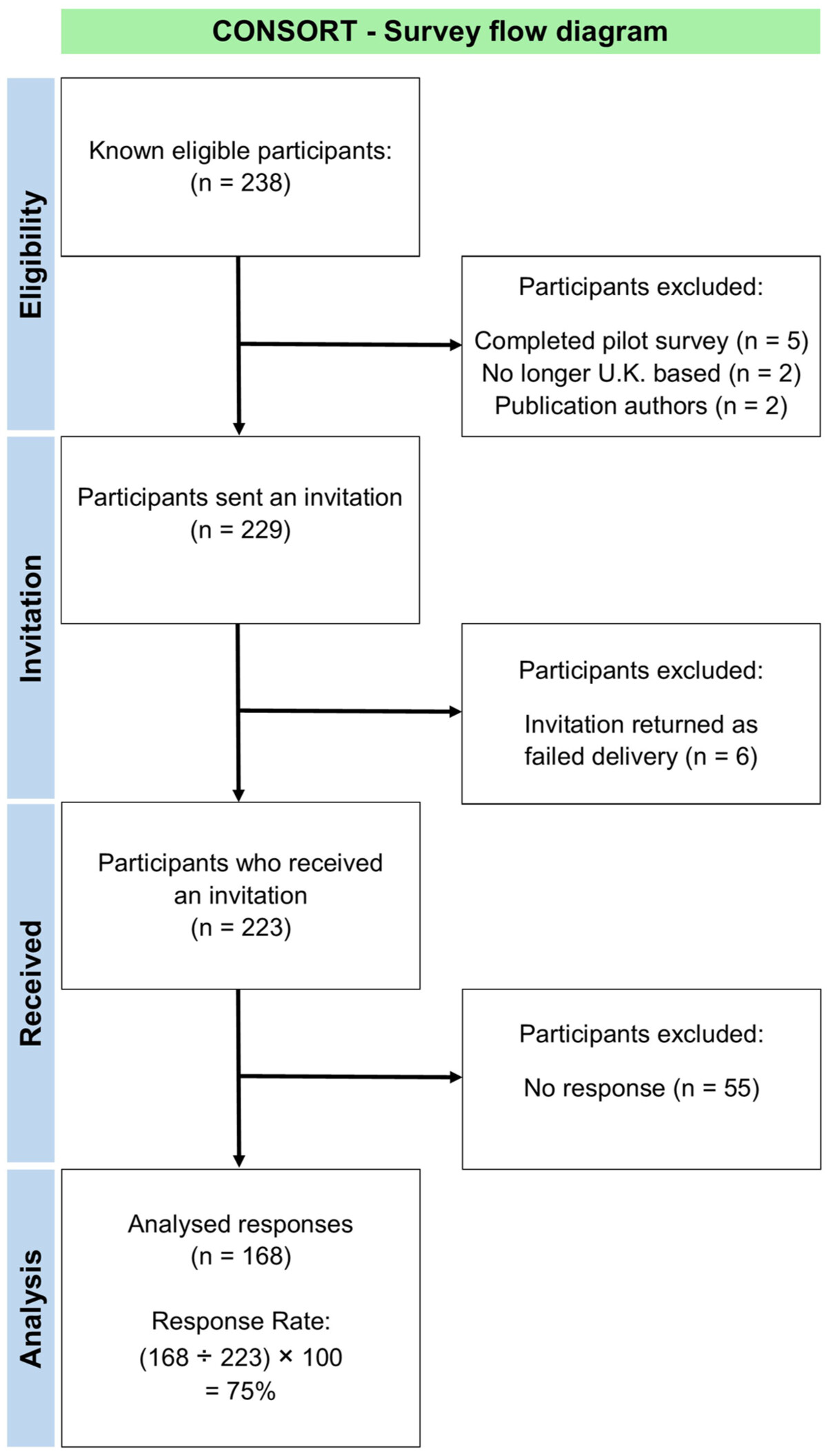
Of the 223 invitations, 168 surveys were returned (75% response rate). Responses were highest from four U.K. regions which correlated with a higher number of regional mentors. Most respondents were in band 7 static roles, accredited via FUSIC® and worked on the ICU with respiratory or surgical patients. The primary indication to perform a LUS was an increase in the fraction of inspired oxygen, average scanning frequency was 1–2 per week and common pathological findings were consolidation (pneumonia and atelectasis) plus pleural effusion (transudative and exudative). The most common negative factors experienced overall were limited time to scan and access to an US machine. Additional negative factors were limited access to a mentor during training, limited support from other professions during implementation, limited access to an appropriate patient population to scan during clinical practice.

Conclusion:

This is the largest survey to investigate the experiences of physiotherapists using lung ultrasound in the U.K. and provides important insights during training, implementation and clinical use. The specific details of these findings will support both current and future LUS users to plan and develop robust physiotherapy LUS service.

Introduction

For over 10-years the physiotherapy community has had an interest in training, implementing and utilising lung ultrasound (LUS).13 This interest is mirrored by the increase in physiotherapy-produced LUS publications from 3 in 2016 to 58 in 2023.4,5 Physiotherapists have begun exploring training methods, indications, clinical applications and barriers to LUS adoption within their respective countries.6,7 The growing interest is multifactorial, with its enhanced accuracy in the identification of pulmonary conditions such as pneumonia and pleural effusions, as well as its raised profile during the COVID-19 pandemic.812 Physiotherapists can use LUS to guide interventional procedures and monitor the effectiveness of therapeutic or rehabilitative interventions as both a clinical and research outcome measure.13,14 LUS has the potential to provide physiotherapists with a portable, non-invasive and non-ionising imaging modality to enhance multiple aspects of their clinical and research practice.
In a previous survey of U.K. physiotherapists, only 31 respondents held a LUS accreditation making any inferences of limited value.7 Current estimates now place the number of U.K. physiotherapists holding an approved LUS accreditation at over 200. Despite these growing numbers, LUS remains in its infancy considering there are 269 critical care units within the U.K. meaning, on average, there is less than one LUS accredited physiotherapists per unit.15 Therefore, understanding the experiences of those using LUS in their practice will help future LUS trainees and their managers to plan their implementation strategies, clinical utility and patient pathway designs.
The aim of this study was to explore the experiences of LUS accredited physiotherapists around training and governance relating to the implementation of LUS. Secondary aims were to explore how LUS is used in clinical practice encompassing, the indications to scan, which patient populations are being scanned and the most common pathologies being identified by physiotherapists.

Methods

Survey design and development

This study adopted a cross-sectional survey design. The study population were U.K. based Health and Care Professions Council registered physiotherapists who were trained and accredited in LUS via an approved programme. Purposive sampling was used to target all known LUS accredited physiotherapists. The survey questions were developed a priori based on the authors previous experiences and published work. The survey comprised of six sections with 34 questions covering participant demographics, training, mentorship, implementation, utilisation and governance. Sixteen additional adaptive questions appeared depending on a participant’s response.
All those invited received a participant information sheet containing the likely duration for survey completion, where their data would be stored and for how long. Prior to completing the survey, participants were required to answer six mandatory questions relating to their eligibility and consent. No incentives were offered to participants for survey completion. Participant responses were anonymous, voluntary, and no personal data was collected. All collected data was stored behind a double password protected log-in on the survey providers server. Participants could save their progress and return to the survey later, as well as amend their responses prior to submission. A copy of the survey can be found in the Supplemental File 1.
The study protocol was approved by Coventry University ethics review board (Ref: P176673) and adhered to both the Checklist for Reporting of Survey Studies (CROSS) and Checklist for Reporting Results of Internet E-Surveys (CHERRIES) reporting guidelines.16,17

Survey pilot

Five LUS accredited physiotherapists piloted the survey’s usability, functionality, question sequence and question clarity. Feedback from the pilot elicited only minor changes to the survey. Piloted data was not included in the final analysis and the pilot participants were not sent the final survey.

Survey administration

Study participants received an email link to the survey by the lead author (SH), the gatekeeper to a personal database of all known U.K. LUS accredited physiotherapists via all known LUS accreditation routes. This survey was closed, and participants were asked to refrain from forwarding the survey on. The email invitation only allowed one survey to be completed, repeating the survey was not possible once submitted. The survey was designed and administered via the JISC online survey tool which automatically captured participant responses. The survey was open for 4-weeks between January and February 2025, with reminders sent out weekly prior to closing. Any responses received after the survey had closed were excluded from the final analysis. To increase question completeness, all closed questions were mandatory with response options such as “no” or “don’t know.” All questions, whether open or closed, were included in the final analysis, even if incomplete.

Survey data analysis

Closed questions with multiple choice options were analysed as quantitative data and presented descriptively as percentages. Open questions underwent separate inductive conceptual content analysis and descriptive coding by three of the authoring team. Discussions between all four authors led to the final consensus of content and coding. Results were presented as descriptive frequencies and percentages.

Results

A total of 168 surveys were returned, giving a response rate of 75% (Figure 1). Participants completed all but one question in full (100% completeness), the one question with 76% completeness asked about additional training resources. Most respondents (92%) were active users of LUS at the time of completing the survey. Only those working in managerial roles (n = 5) or advanced practice roles (n = 5) were not using LUS in a physiotherapeutic capacity (Table 1).
Figure 1. Consort survey flow diagram of invited participants.
Table 1. Demographics and characteristics of respondents, their LUS accreditation route, funding and mentoring experiences.
Demographics and characteristics
Do you currently use LUS in your physiotherapy practice?  YesNoOther
  92%5%3%
What Band were you when you gained your LUS accreditation? (i.e. Band 5 – Graduate, Band 6 – Enhanced level, Band 7 – Advanced level)Band 5Band 6Band 7Band 8aBand 8b
0%23%61%14%2%
What type of physiotherapy role were you in at the time of gaining your LUS accreditation? Static roleRespiratory rotationalGeneral rotationalOther
 87%9%2%2%
Which clinical area(s) do you primarily use your LUS skills in now?Hyper-acuteAcuteOut-patientsEDDomiciliary
91%44%4%1%1%
Are you an approved LUS mentor/trainer?  YesNoDon’t know
  33%64%2%
Accreditation training and mentoring
Which LUS training programme did you accredit in? FUSIC®CACTUSFAMUSBTS
 95%4%0.5%0.5%
How was your place on any introductory LUS course funded?EmployerHEE“In-house”OtherSelf-funding
49%15%15%12%10%
How was your LUS module registration fee funded? EmployerSelf-fundingHEEOther
 48%32%11%9%
How many different mentors/trainers helped you through your LUS accreditation? 1 Mentor2 Mentors3 Mentors⩾4 Mentors
 52%37%9%2%
What profession was your LUS mentor (or mentors) from?PhysioDoctorAdv. prac.RadiologistCCS
50%44%4%1%1%
Did you use remote mentoring during your LUS training?  YesNoDon’t know
  27%73%0%
ED: Emergency Department; FUSIC®: Focused Ultrasound in Intensive Care; CACTUS: Children’s Acute Ultrasound; FAMUS: Focused Acute Medicine Ultrasound; BTS: British Thoracic Society; HEE: Health Education England; Physio: Physiotherapist; Adv. Prac.: advanced practitioner, CCS: Critical Care Scientist.

Demographics

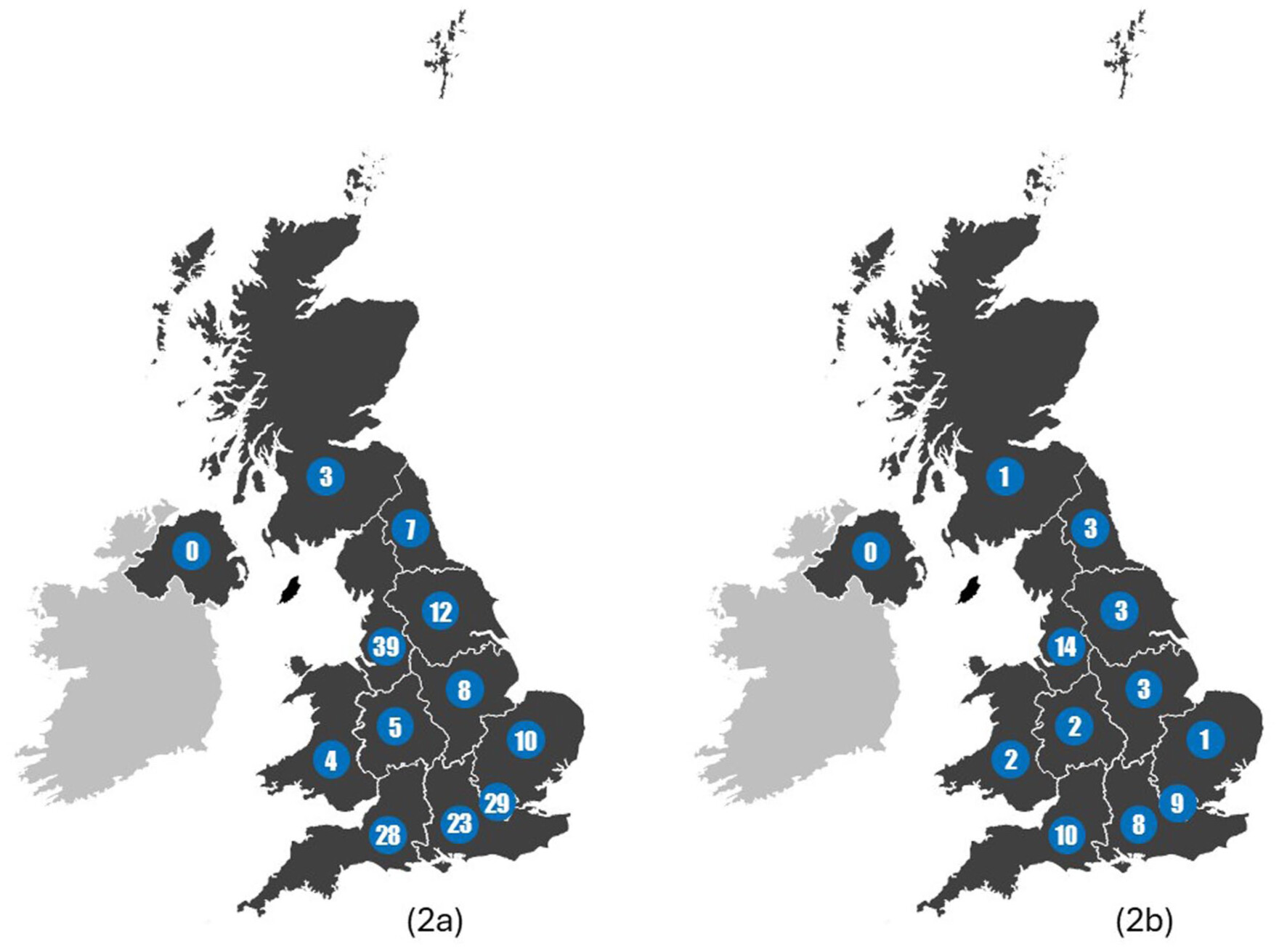
The geographical distribution of respondents showed only four regions with a response >20 (Figure 2(a)). This correlated with higher numbers of respondents reporting to be mentors in the same four regions (Figure 2(b)).
Figure 2. Distribution of respondents (a) and respondents with mentor status (b).
A wide distribution was seen in the number of years respondents were qualified prior to gaining LUS accreditation, peaking at 5–10 years (Supplemental File 2). Over half (61%, n = 103) of physiotherapists were in a “Band 7” advanced practice post at the time of gaining their LUS accreditation (Table 1), with the majority (87%, n = 146) in a “static” job role, where movement between different clinical areas/specialities is limited (Table 1).
Lung ultrasound was being used in a variety of clinical locations (Table 1), with the highest reported use being in “Hyper-acute” areas such as the Intensive Care Unit (91%), followed by “Acute” hospital wards (44%). Thirteen different clinical specialities were represented (Supplemental File 3) with most respondents scanning patients under the care of either respiratory (83%), surgical (57%) or medical (49%) specialities, regardless of the patient’s physical location (i.e. intensive care unit).

LUS accreditation training & mentoring

Almost all respondents (95%, n = 160) gained their LUS accreditation through the Focused Ultrasound in Intensive Care (FUSIC®) training pathway from the U.K. Intensive Care Society (Table 1).18
In the last 5-years there has been a large increase in the number of physiotherapists gaining their LUS accreditation (Supplemental File 4). Around half of respondents (n = 88, 52%) completed their LUS accreditation within the recommended 12-months, although the majority (n = 146, 87%) had gained their accreditation within 24-months of completion of initial training (Supplemental File 5). For those that completed their LUS accreditation within 12-months, most completed their accreditation within 8–12 months, however, some respondents managed to complete their accreditation within 1-month (Supplemental File 6).
Financial costs associated with LUS training typically include a fee to register for the lung module, payable to the relevant society and a separate fee for an introductory course. Table 1 shows that almost half (49%) of introductory courses were funded by the physiotherapist’s employer with 10% of respondents funding the course themselves. The society module fee was primarily covered by the physiotherapist’s employer (48%); however, respondents reported a higher rate of self-funding (32%).
Around half (52%) of respondents were supported by a single mentor throughout their lung training, whilst just over a third (37%) had two mentors to support them (Table 1). Mentors came primarily from two professions, physiotherapy (50%) and physicians (44%; Table 1). Fifty-six (33%) of respondents reported achieving LUS mentor status (Table 1).
Remote mentoring, where the scans and the reporting form are shared remotely with a mentor located elsewhere from the respondent’s primary place of work, was utilised by 27% of respondents (Table 1). When comparing whether the use of remote mentoring had any effect on the duration of training there was no discernible difference except one. All respondents that reported completing their training within 3-months took advantage of on-site mentoring and did not use remote mentoring.
During unsupervised LUS scanning, respondents shared their ultrasound video clips and reporting forms in over a dozen different ways. The most common methods were either reviewing the scans on the ultrasound machine, reviewing the scans asynchronously via a pen/stick drive or receiving the scans via email (Supplemental File 7).
The factors negatively impacting LUS training towards accreditation for all 168 respondents can be found in Supplemental File 8. The most common reasons given were access to an approved mentor, time to scan versus other priorities and access to a suitable ultrasound machine.

LUS implementation and governance

A large proportion of respondents (90%, n = 151) reported having consistent access to an ultrasound machine, with almost a quarter (23%, n = 38) reporting access to an ultrasound machine dedicated for use by physiotherapists (Table 2).
Table 2. Respondents’ implementation and governance experiences.
Implementation
Do you have consistent access to an ultrasound machine?  YesNoDon’t know
  90%10%0%
Do you have a dedicated ultrasound machine for physiotherapists to use for LUS?  YesNoDon’t know
  23%77%0%
To date, have you used your LUS skills outside of you contracted working hours in an “on-call” situation?  YesNoNot on-call
  40%58%2%
Governance
Did you or the wider physiotherapy team need to gain any approvals or permissions from individuals or departments to implement and use LUS?  YesNoDon’t know
  32%54%14%
Were you or the wider physiotherapy team asked to create any documents to allow you to implement and use LUS?  YesNoDon’t know
  38%52%10%
How are your LUS scan images stored or archived?US machineNot storedLocal driveUSB drivePACS
74%7%5%5%4%
How do you report/document your LUS scan findings? Patient notesPACSClinic letterOther
 97%1%1%1%
During the LUS implementation process, were you aware of any factors that negatively impacted progress?  YesNoDon’t know
  26%57%17%
US: ultrasound; USB: universal serial bus; PACS: Picture Achieving Communication System.
Only a third of respondents (32%, n = 54) reported the need to gain approval or permission from senior individuals or departments to implement and use LUS in their practice (Table 2). Similarly, just over a third of respondents (38%, n = 64) were required to create a governance document to allow the implementation and use of LUS (Table 2). The full list of the reported approvals/permissions along with the list of documents respondents created is presented in Supplemental File 7.
According to 78% of respondents, the storage and archiving of LUS images was primarily on the ultrasound machine (Table 2). Of note, 7% of respondents reported that their LUS images were not stored or archived at all. Almost all (97%) respondents reported using the patient case notes as the location for their scan report and documentation (Table 2).
More than half (57%, n = 96) reported no negative factors during the implementation process (Table 2). Negative factors were reported by 26% (n = 44) and included a lack of support or acceptance by other professionals, limited access to a suitable ultrasound machine and time to scan versus other priorities (Supplemental File 8).

LUS utility in practice

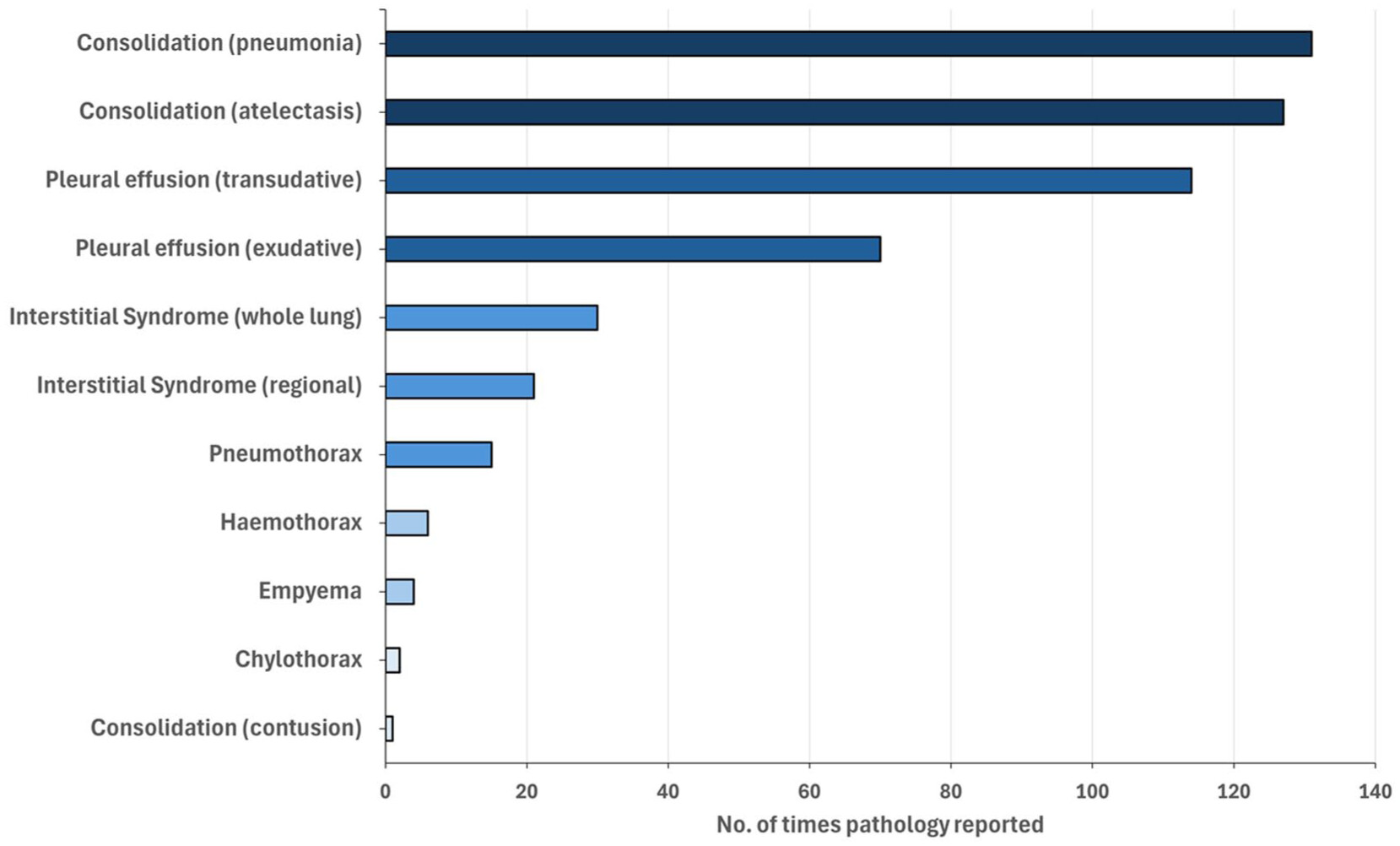
The most scanned patient populations were described by any method the respondents chose, that is, pathology, diagnosis, disease, signs, symptoms or intervention, which resulted in over 50 different responses divided into five categories. The full list of responses can be found in Supplemental File 9. The clinical indications reported to justify why a physiotherapist performed a LUS elicited 35 different reasons which have been divided into eight categories. The full list of reported indications can be found in Table 3. The most reported pathologies identified by physiotherapists using LUS were consolidation (pneumonia), consolidation (atelectasis) and pleural effusion, both transudative and exudative (Figure 3).
Table 3. Respondents most reported indications to justify performing a LUS scan.
RespirationMechanical ventilation/liberation
Increased fraction of inspired oxygen (FiO2)80Difficult or slow to wean off ventilation31
Low oxygen saturation (SpO2)24Unable to wean off ventilation20
Unable to wean off oxygen6Increased ventilatory support17
Respiratory failure6Reduced tidal volume6
Difficult or slow to wean off oxygen4Difficult to ventilate4
Hypercapnia1Patient and ventilator asynchrony1
Respiratory acidosis1Reduced lung compliance1
  Failed extubation1
Chest Radiograph (CXR)Auscultation
Unclear CXR findings42Reduced breath sounds19
CXR doesn’t correlate with patient presentation5Abnormal breath sounds11
CXR absent/unavailable1Absent breath sounds1
Diagnostic thinkingTherapeutic thinking
Check if pathology will respond to physiotherapy16To re-assess post-treatment14
To aid clinical reasoning12To re-assess when treatment not effective7
As part of the initial assessment on admission6To guide changes in treatment4
To identify the presence of pathology3When patient isn’t meeting their expected milestones3
BreathingOther signs or symptoms
Increased work of breathing (WOB)6Increased sputum load15
Increased respiratory rate (tachypnoea)2Dyspnoea1
Reduced chest wall motion1Pain1
Figure 3. Most common pathologies respondents reported identifying with LUS.
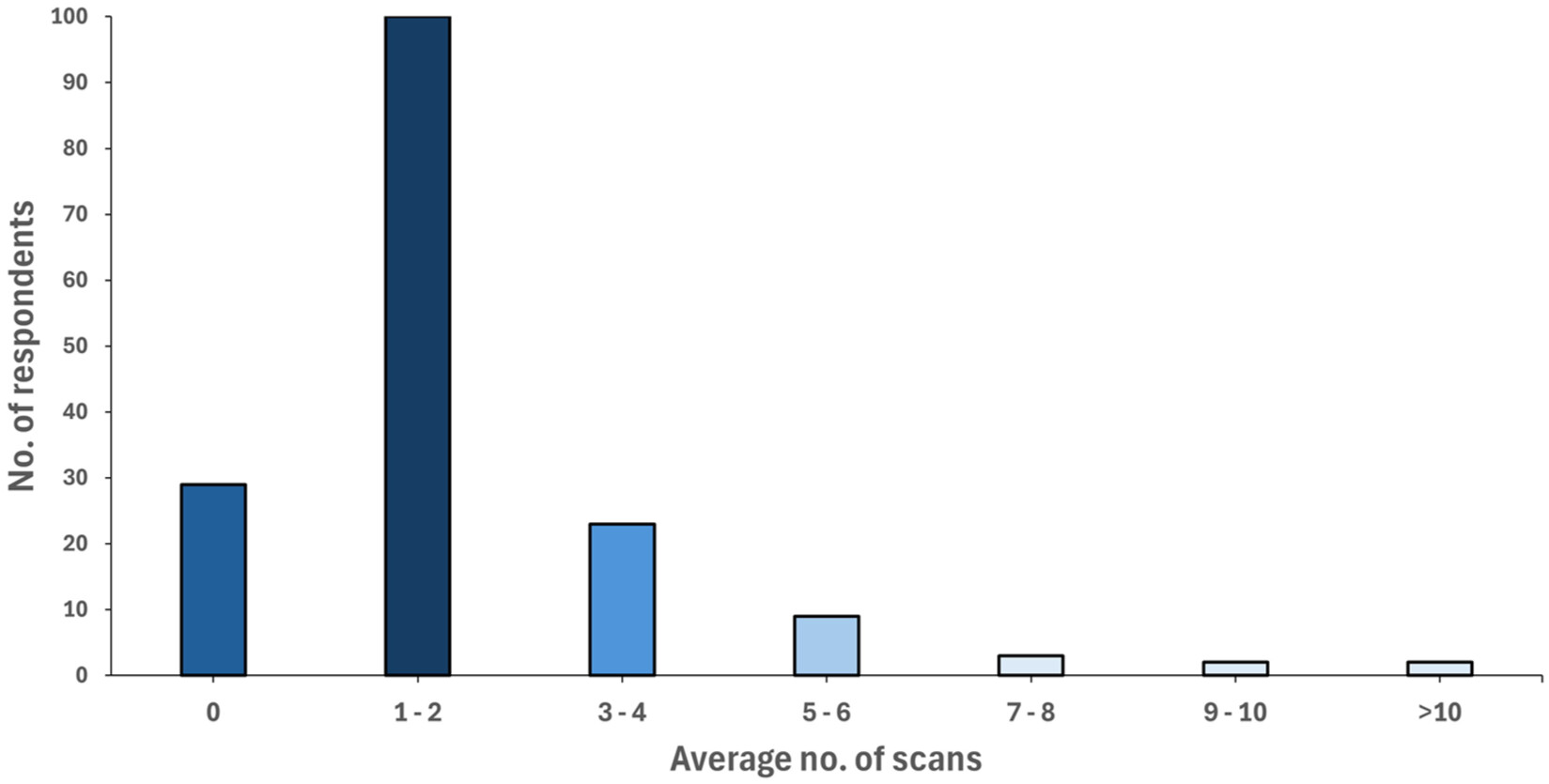
A large proportion of respondents (60%, n = 100) reported performing 1–2 LUS scans per week, with 16 (9%) of respondents scanning, on average, once a day or more. In contrast 29 (17%) reported not scanning at all (Figure 4). Sixty-seven (40%) of respondents reported using their LUS during an out-of-hours “on-call” situation (Table 2).
Figure 4. The average number of scans respondents reported performing per week.
Once LUS had been established within a respondent’s practice, by far the most frequently reported negative factor was having insufficient time compared to other competing priorities that is, clinical caseload or managerial responsibilities. Additional negative factors were a lack of access to an ultrasound machine and a lack of access to a suitable patient population (Supplemental File 8).

Educational resources during training and continuing professional development (CPD) post-accreditation

The resources and information respondents reported they would have benefitted from the most during their LUS training were better access to mentors and access to an online forum for additional learning, such case study discussions (Supplemental File 10). After accreditation, respondents wanted access to more advanced or refresher courses along with access to an online forum for ongoing support. A desire to continue with joint/supervised scanning with either peers or a mentor/expert was also reported (Supplemental File 10).

Discussion

This is the largest survey to investigate the experiences of physiotherapists using LUS in the U.K. With most respondents reporting being active LUS users, it provides important insights into the experiences during training, implementation and clinical use. The specific details of these findings will support both current and future LUS users to plan and develop a physiotherapy LUS service.

Demographics

Most respondents were centred around four geographical areas. It is no surprise these areas also had the highest number of mentors, suggesting that the location of early adopters who subsequently became mentors, led to enhanced training opportunities. Regions with lower numbers would benefit from additional support (i.e. access to mentors) to assist the growth of LUS locally.
The number of years qualified prior to gaining LUS accreditation shows a wide distribution, ranging from less than 2 to over 25 years. Interestingly, 11% of respondents had learnt LUS within 2 years of qualifying despite it not being a minimum standard for physiotherapists working in critical care.19 A stronger indicator of the level of seniority required to learn LUS would appear to be a Band 7 in a “static” role. Perhaps some managers had given those in Band 7 roles priority over others (i.e. Band 6 or rotational roles) to ensure that departmental resources were used effectively on those most likely to complete the training and utilise it most effectively in clinical practice.
With most respondents using LUS in “Hyper-acute” settings (i.e. Intensive Care Unit) this could imply some degree of enhanced opportunities due to a more appropriate and higher acuity patient population, as well as better resource allocation for staffing (mentors) and equipment (ultrasound machines). The number of respondents practicing LUS outside the hospital setting remains low, however, with adequate support, physiotherapists could have greater access to imaging in settings (i.e. domiciliary) with historically limited access to any imaging. Respiratory, surgical and medical specialities dominate the practice of most responders, but with the development in smaller disciplines, such as organ transplant and extracorporeal membrane oxygenation (ECMO), the varied utility LUS can offer physiotherapy seems to be evident.

LUS accreditation training & mentoring

Most respondents reported gaining their LUS accreditation through the Intensive Care Society’s FUSIC® programme, which has emerged as the popular choice within the profession.18 The popularity of the FUSIC® lung module as a clearly defined training route for physios could have resulted in the growth of LUS within hyper-acute settings such as intensive care.
The growth in numbers over the last 5-years coincides with the increased interest in LUS as an alternate imaging modality during the SARS-COV-2 pandemic. In addition, the U.K. Chartered Society of Physiotherapists (CSP) published two documents in 2022 that supported the use of LUS, thus alleviating some of the reservations previously shown by physiotherapy management.7,20,21
LUS training pathways in the U.K. typically require trainees to complete their training logbook within a 12-month period. This was achieved by just over half of the respondents meaning the remainder experienced delays to their training, possibly due to some of the previously reported negative factors. Three respondents completed their accreditation in less than 1 month, likely through the accelerated 5-day LUS “mini-fellowship” reported by Hayward and Toghill22 and Ntoumenopoulos et al.23 This accelerated training could be an important option to support those experiencing significant geographical or logistical barriers; however, its one-to-one teaching structure is resource intensive. Having a clear understanding around the typical timeframe for physiotherapists to complete their LUS accreditation will allow clinicians, and their managers to plan and organise an environment where the completion of the training programme has the highest chance of success.
With around half the respondents completing their LUS accreditation with a single mentor, establishing at least one physiotherapist mentor in each hospital could facilitate a rapid increase in LUS adoption. Indeed, this may already be occurring considering half of respondents reported being mentored by a fellow physiotherapist. Having a mentor with a physiotherapy background should align the training with the nuances of profession specific indications, assessments and clinical reasoning. It is therefore encouraging that 56 respondents reported being LUS mentors and can support their colleagues in their own services, along with those in surrounding services if feasible. Access to a mentor during training is essential and was the primary reported negative factor that impacted respondents training. A lack of access to mentorship is a common factor or barrier reported in numerous publications. It was the second highest negative barrier within a U.K. physiotherapy population, as well as being reported by 62% of therapists in an international survey on LUS.3,7
When regular and consistent access to a local mentor is not possible, a quarter of respondents relied on remote mentorship as an effective way to overcome both geographical and scheduling issues.24 Respondents reported sharing ultrasound video clips and reporting forms in over a dozen different ways, however, the main priority should always be that patient confidentiality and employer information governance considerations are maintained.

LUS implementation and governance

A lack of access to an ultrasound machine is often reported as a significant barrier to implementation and was again a major negative factor reported by survey respondents.7 With a high proportion of respondents (90%) reporting consistent access to an ultrasound machine and almost a quarter having access to a dedicated physiotherapy ultrasound machine, this should be seen as a significant milestone in the development of LUS within the U.K., considering the cost of such machines.
Surprisingly, only a third of respondents reported the need to gain approval or permission from senior individuals or departments to implement and use LUS in practice. This could imply that respondents either didn’t ask, or prior approvals were already in place. Similarly, just over a third of respondents were required to create governance documentation to allow the implementation and use of LUS within their service. The reasons for this are speculative but may suggest either an existing confidence in those wanting to learn LUS or a lack of understanding around what was required. Considering a lack of support/acceptance from the wider multidisciplinary team was the primary negative factor during LUS implementation, then engagement with relevant stakeholders, perhaps as part of a quality improvement project, could address this issue. For any reader wanting to understand what stakeholder approvals, permissions or documents are potentially required when setting up a physiotherapy LUS service, the full list of analysed responses can be found in Supplemental File 7. All resource and service development should be aligned with the point of care guidance documents from the CSP to achieve optimal patient safety standards and professional practice of LUS.20,21
Overall, the reported archiving and documentation of LUS imaging does not currently meet recommended guidance from the Royal College of Radiologists.25 With the main method of archiving being via storage on the ultrasound machine itself, more formal long-term archiving methods have not been established in most services. Of more concern is the 7% of respondents who reported that their LUS images were not stored or archived at all. This makes sharing images for discussion with colleagues or for a second opinion impossible. It also loses important information for ongoing patient care and potential evidence for future legal challenges to clinical decisions. In the absence of more formal LUS scan reporting, almost all respondents defaulted to documenting their findings in the patient’s medical notes. Best practice remains the archiving and reporting of LUS scans via a picture archiving and communications system (PACS), however, this seems to only be an option for a minority of respondents. These findings align with the international findings from Lau et al. showing this is not an issue unique to the U.K.3 Change is unlikely to occur within the U.K. until diagnostic ultrasound image storage is mandated, not just recommended as best practice. However, the logistics of such a widespread digital transformation is likely to require significant investment.

LUS utility in practice

The wide array of patient populations being scanned highlights the potential of LUS to influence many aspects of physiotherapy practice. As expected, patients who present with respiratory conditions or those at risk of developing respiratory complications make up most patients receiving a LUS scan. Developing “communities of practice” or “specialist interest groups” within these specialities or patient populations could help to advance clinical practice and identify specific training, implementation, clinical utility and research opportunities.26
In contrast, the range of frequently reported pathologies identified by respondents was small, namely, consolidation (pneumonia or atelectasis) and pleural effusion (transudative or exudative). This is either due to the higher prevalence of these respiratory pathologies within the patient populations being scanned, or could be as a result that they are considered easier to identify, depending on the respondent’s level of experience.27,28 Either way, the ability to use LUS to differentiate between different types of consolidation, or between consolidation and pleural effusion, remains a valuable skill for physiotherapists to acquire to aid clinical reasoning around treatment choices. The use of LUS to enhance physiotherapy intervention efficacy through correct pathology identification, as well as optimise resources utilisation (i.e. time efficiency) should be a priority for future research.
The findings from this survey align to those on previous evaluations from Lau et al.3 but differ with a much broader range. With reported indications such as helping to inform diagnostic and therapeutic thinking as part of the clinical reasoning process, in line with work from Hew and Tay,29 as well as LUS being used as an outcome measure to evaluate treatment efficacy, as reported by Kruisselbrink et al.30 perhaps the full potential of LUS within physiotherapy practice is beginning to emerge.
The frequency with which respondents report scanning is the first time such information has been published in the literature. With most physiotherapists scanning once or twice a week, respondents who perform daily LUS scans are in the minority. With “insufficient time” being the most frequently reported factor negatively impacting respondents use of LUS in clinical practice, perhaps LUS isn’t seen as enough of a priority when compared to other competing responsibilities. Alternatively, the lack of guidance around which patients should be scanned and how often, could also be limiting the use of LUS. Either way, the clinical value of performing LUS, along with clear speciality specific indications to perform a scan, needs to be better evidenced in the literature. The publication by Le Neindre et al.13 is a valuable staring point but remains one of only seven published examples of how LUS can influence physiotherapists’ clinical decision-making reported by Lockstone et al.31

Educational resources during training and continuing professional development (CPD) post-accreditation

Whether during training or after gaining their accreditation, respondents had similar responses regarding preferred educational resources. Firstly, support from more experienced LUS users or their peers, to complete joint scanning sessions with the opportunity to spend one-to-one time discussing all aspects of LUS practice with colleagues was valued. Secondly, a forum for ongoing support, whether in-person or online, where ideas or questions can be discussed within a LUS community of practice. Finally, a resource library containing images, case studies, publications and documents, was a commonly reported response. Having a single location with useful resources would save time and effort for both LUS learners and LUS users alike.
An additional resource identified as desirable for post-accreditation was access to either supplementary or advanced LUS courses. Respondents wanted the opportunity to either refresh their knowledge, update their skills, learn how to train others effectively or develop new and advanced skills such as diaphragm ultrasound. It would appear, that while the numbers of LUS accredited physiotherapists in the U.K. are small, linking up with a wider community of practice specific to LUS, whether in-person, virtually or though shared resources, is an important aspect of development worthy of future investments.

Limitations

Blackpool Teaching Hospital had >20 LUS accredited physiotherapists that potentially biased the results. However, the five individuals that piloted the survey were all from Blackpool as one method of limiting this bias. Not all LUS accredited physiotherapists will have been invited due to an incomplete database. Non-responders may have been potential non-users and thus altered some of the results. Additional and more significant negative factors would have been experienced by those that have not gained their LUS accreditation however these were not part of the population surveyed.
Future areas for development
• Aim to meet existing ultrasound governance recommendations
• Develop a specific LUS guidance document for physiotherapists
• Boost training numbers with at least one mentor in every trust/health board
• Strengthen existing clinical areas and develop new areas of practice
• Develop communities of practice and shared CPD opportunities and resources
• Investigate how LUS can enhance the efficacy and efficiency of physiotherapy interventions
• Screening tool to better indicate which patients should receive a LUS.

Conclusion

This survey has explored the training, implementation and clinical utility experiences of physiotherapists who hold a LUS accreditation. Insights into the number and geographical distribution of users/mentors, their clinical specialities and patient populations, along with why and how frequently they perform a LUS scan, will inform local, regional and national strategies to develop physiotherapy-performed LUS in the U.K.

Acknowledgments

The authors greatly appreciate the contributions and support from Blackpool Teaching Hospitals NHS Foundation Trust.

Ethical considerations

Coventry University ethical committee (P176673).

Consent for publication

Not applicable.

Declaration of conflicting interests

The authors declared no potential conflicts of interest with respect to the research, authorship, and/or publication of this article.

Funding

The authors received no financial support for the research, authorship, and/or publication of this article.

ORCID iD

Data availability statement

All data generated or analysed during this study are included in this published article, in its supplementary information files or on request to the corresponding author.

References

1. Leech M, Bissett B, Kot M, et al. Lung ultrasound for critical care physiotherapists: a narrative review. Physiother Res Int 2015; 20(2): 69–76.
2. Le Neindre A, Mongodi S, Philippart F, et al. Thoracic ultrasound: potential new tool for physiotherapists in respiratory management. A narrative review. J Crit Care 2016; 31(1): 101–109.
3. Lau YH, Hayward S, Ntoumenopoulos G. An international survey exploring the adoption and utility of diagnostic lung ultrasound by physiotherapists and respiratory therapists in intensive care. J Intensive Care Soc 2023; 24(4): 364–371.
4. Hayward SA, Janssen J. Use of thoracic ultrasound by physiotherapists: a scoping review of the literature. Physiotherapy 2018; 104(4): 367–375.
5. Hayward S, Cardinael C, Tait C, et al. Exploring the adoption of diaphragm and lung ultrasound (DLUS) by physiotherapists, physical therapists, and respiratory therapists: an updated scoping review. Ultrasound J 2025; 17(1): 9.
6. Hansell L, Milross M, Delaney A, et al. Barriers and facilitators to achieving competence in lung ultrasound: a survey of physiotherapists following a lung ultrasound training course. Aust Crit Care 2023; 36(4): 573–578.
7. Hayward S, Smith M, Innes S. Diagnostic thoracic ultrasound imaging - an exploration of respiratory physiotherapists’ interest and use in clinical practice: a national survey. Ultrasound 2020; 28(1): 14–22.
8. Chavez MA, Shams N, Ellington LE, et al. Lung ultrasound for the diagnosis of pneumonia in adults: a systematic review and meta-analysis. Respir Res 2014; 15(1): 50.
9. Hu QJ, Shen YC, Jia LQ, et al. Diagnostic performance of lung ultrasound in the diagnosis of pneumonia: a bivariate meta-analysis. Int J Clin Exp Med 2014; 7(1): 115–121.
10. Grimberg A, Shigueoka DC, Atallah AN, et al. Diagnostic accuracy of sonography for pleural effusion: systematic review. Sao Paulo Med J 2010; 128(2): 90–95.
11. Hansell L, Milross M, Delaney A, et al. Lung ultrasound has greater accuracy than conventional respiratory assessment tools for the diagnosis of pleural effusion, lung consolidation and collapse: a systematic review. J Physiother 2021; 67: 41–48.
12. Smith M, Hayward S, Innes S. A proposed framework for point of care lung ultrasound by respiratory physiotherapists: scope of practice, education and governance. Ultrasound J 2022; 14(1): 24.
13. Le Neindre A, Hansell L, Wormser J, et al. Thoracic ultrasound influences physiotherapist's clinical decision-making in respiratory management of critical care patients: a multicentre cohort study. Thorax 2023; 78(2): 169–175.
14. Whittaker JL, Ellis R, Hodges PW, et al. Imaging with ultrasound in physical therapy: what is the PT’s scope of practice? A competency-based educational model and training recommendations. Br J Sports Med 2019; 53(23): 1447–1453.
15. Batchelor A. Getting it Right First Time (GIRFT) Programme National Speciality Report: adult critical care, https://gettingitrightfirsttime.co.uk/wp-content/uploads/2021/09/Adult-Critical-Care-Sep21m.pdf (2021, accessed 19 May 2025).
16. Sharma A, Minh Duc NT, Luu Lam Thang T, et al. A consensus-based checklist for Reporting of Survey Studies (CROSS). J Gen Intern Med 2021; 36(10): 3179–3187.
17. Eysenbach G. Improving the quality of web surveys: the checklist for Reporting Results of Internet E-Surveys (CHERRIES). J Med Internet Res 2004; 6(3): e34.
18. Focused Ultrasound in Intensive Care (FUSIC®). Intensive Care Society (Online), https://ics.ac.uk/product/fusic-lung.html (2012, accessed 8 September 2025).
19. Twose P, Jones U, Cornell G. Minimum standards of clinical practice for physiotherapists working in critical care settings in the United Kingdom: a modified Delphi technique. J Intensive Care Soc 2019; 20(2): 118–131.
20. Chartered Society of Physiotherapy (CSP). Context of physiotherapists using point of care ultrasound (POCUS) in physiotherapy practice, https://www.csp.org.uk/system/files/publication_files/PD138_POCUSContext_e1_Apr22_0.pdf (2022, accessed 9 May 2025).
21. Chartered Society of Physiotherapy (CSP). Practice guidance for physiotherapists using point of care ultrasound (POCUS) in physiotherapy practice, https://www.csp.org.uk/system/files/publication_files/PD139_POCUSPracticeGuidance_e1_Apr22.pdf (2022, accessed 9 May 2025).
22. Hayward S, Toghill H. Completion of the focused ultrasound intensive care (FUSIC®) lung ultrasound module during a novel five-day ‘mini-fellowship’: a case report. J Intensive Care Soc 2023; 24(2): 43.
23. Ntoumenopoulos G, Pizimolas GA, Mani S, et al. Lung point of care ultrasound (POCUS) in cardiorespiratory physiotherapy and respiratory therapy practices: current status and future directions. POCUS J 2024; 9(2): 9–11.
24. Arntfield RT. The utility of remote supervision with feedback as a method to deliver high-volume critical care ultrasound training. J Crit Care 2015; 30(2): 441.e1–441.e4416.
25. The Royal College of Radiologists. Recommendations for specialists practising ultrasound independently of radiology departments: safety, governance and education. The Royal College of Radiologists, 2023. https://www.rcr.ac.Uk/media/pwxpdxr2/rcr-publications_recommendations-for-specialists-practising-ultrasound-independently-of-radiology-departments-safety-governance-and-education_april-2023.pdf (accessed 15 May 2025).
26. Noar AP, Jeffery HE, Subbiah Ponniah H, et al. The aims and effectiveness of communities of practice in healthcare: a systematic review. PLoS One 2023; 18(10): e0292343.
27. Vincent JL, Rello J, Marshall J. International study of the prevalence and outcomes of infection in intensive care units. JAMA 2009; 302(21): 2323–2329.
28. Gustafsson M, Alehagen U, Johansson P. Pocket-sized ultrasound examination of fluid imbalance in patients with heart failure: a pilot and feasibility study of heart failure nurses without prior experience of ultrasonography. Eur J Cardiovasc Nurs 2015; 14(4): 294–302.
29. Hew M, Tay T. The efficacy of bedside chest ultrasound: from accuracy to outcomes. Eur Respir Rev 2016; 25(141): 230–246.
30. Kruisselbrink R, Chan V, Cibinel GA, et al. I-AIM (Indication, acquisition, interpretation, medical decision-making) framework for point of Care Lung Ultrasound. Anesthesiology 2017; 127(3): 568–582.
31. Lockstone J, Love A, Hung Lau Y, et al. The use of diaphragm and lung ultrasound in acute respiratory physiotherapy practice and the impact on clinical decision-making: a systematic review and meta-analysis. Aust Crit Care 2024; 37(1): 176–184.

Supplementary Material

Please find the following supplemental material available below.

For Open Access articles published under a Creative Commons License, all supplemental material carries the same license as the article it is associated with.

For non-Open Access articles published, all supplemental material carries a non-exclusive license, and permission requests for re-use of supplemental material or any part of supplemental material shall be sent directly to the copyright owner as specified in the copyright notice associated with the article.